
What You’re Seeing at Home
Recognizing serious illness early can make a major difference in a pet’s outcome. Some pet emergency signs appear suddenly and dramatically, while others begin with subtle changes in behavior, breathing, appetite, or energy levels.
Many owners notice that “something feels off” before they can identify a specific symptom. A dog may suddenly refuse food, collapse, or struggle to breathe. A cat may hide, stop grooming, or become unusually quiet.
Pets often try to hide pain or weakness, especially cats. Because of this, even mild behavior changes can sometimes signal a serious medical problem developing underneath.
Some of the most common pet emergency signs include:
- Difficulty breathing
- Collapse or fainting
- Seizures
- Severe vomiting or diarrhea
- Bloated abdomen
- Pale gums
- Sudden weakness
- Trouble walking
- Uncontrolled bleeding
- Severe lethargy
- Trauma from accidents or falls
- Known toxin exposure
Owners may also notice shaking, restlessness, crying, confusion, or rapid breathing.
Not every symptom automatically means a life-threatening emergency. However, some conditions can worsen very quickly without treatment.
Understanding the difference between mild illness and urgent warning signs helps owners act faster when minutes matter.
What This Could Mean
Emergency symptoms can affect nearly every body system, including the respiratory, gastrointestinal, neurological, cardiovascular, and urinary systems.
For example:
- Breathing difficulty may point to airway disease, heart problems, allergic reactions, or fluid in the lungs.
- Vomiting with abdominal swelling may indicate gastric dilatation-volvulus (GDV), also called bloat.
- Collapse or weakness may result from shock, internal bleeding, heatstroke, or heart disease.
- Seizures can occur due to toxins, neurological disease, metabolic disorders, or severe illness.
Some emergencies begin with symptoms owners may underestimate. A pet refusing food for a day may not seem urgent at first, but in cats especially, prolonged appetite loss can quickly become dangerous.
Pain is another important warning sign. Dogs may pace, pant, or become restless. Cats often withdraw or hide when uncomfortable.
In emergency medicine, veterinarians focus not only on symptoms themselves, but also on how quickly symptoms are progressing.
Rapid deterioration often signals a more serious condition.
Normal vs Emergency Signs
Many owners ask, “Is this an emergency?”
When severe symptoms appear suddenly or interfere with breathing, movement, awareness, or circulation, the answer is usually yes.
This is not something to monitor at home.
Mild symptoms that may still need monitoring include:
- Temporary mild limping
- Brief stomach upset
- Slight fatigue after activity
- Minor appetite decrease for a few hours
However, symptoms become far more concerning when they are severe, persistent, or combined with other abnormalities.
Serious pet emergency signs include:
- Labored breathing
- Blue, gray, or pale gums
- Collapse
- Seizures
- Severe abdominal swelling
- Repeated vomiting
- Blood in vomit or stool
- Inability to urinate
- Sudden paralysis
- Extreme weakness
- Unresponsiveness
- Heatstroke symptoms
- Trauma from vehicles or falls
Cats deserve special attention because they often hide severe illness until they become critically sick.
A cat breathing with an open mouth is always considered an emergency.
Dogs experiencing repeated unsuccessful attempts to vomit combined with abdominal swelling may be showing signs of GDV, which requires immediate treatment.
If symptoms seem severe or are worsening quickly, immediate evaluation is safest.
When to Go to the ER
Because this is considered a high-level emergency topic, many of these symptoms require immediate veterinary attention.
You should go to the ER immediately if your pet:
- Struggles to breathe
- Collapses
- Has a seizure lasting more than a few minutes
- Cannot stand or walk normally
- Experiences major trauma
- Has severe vomiting or diarrhea
- Shows signs of toxin exposure
- Develops sudden abdominal swelling
- Cannot urinate
- Becomes suddenly unresponsive
This is not something to monitor at home.
Waiting too long can allow shock, dehydration, breathing compromise, or internal injury to worsen significantly.
Even symptoms that appear stable initially may deteriorate rapidly over several hours.
If you are unsure whether symptoms qualify as an emergency, it is safer to have your pet evaluated promptly.
Early treatment improves outcomes in many emergency conditions.
How Emergency Teams Stabilize These Cases
When pets arrive at an emergency hospital, veterinary teams prioritize stabilization first.
The initial focus usually includes:
- Airway and breathing support
- Oxygen therapy
- Heart and blood pressure monitoring
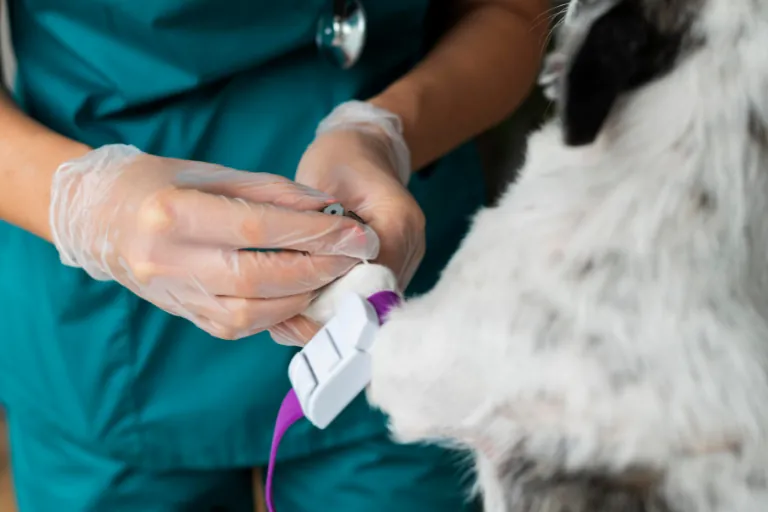
- IV catheter placement
- Pain management
- Bloodwork
- Imaging such as X-rays or ultrasound
- Fluid resuscitation if shock is present
Emergency teams continuously monitor circulation, oxygen levels, temperature, and neurological status throughout treatment.
Pets with trauma, respiratory distress, or severe gastrointestinal disease may require hospitalization and advanced monitoring.
Some emergencies require immediate surgery, while others respond to medical stabilization and supportive care.
Veterinary ER teams also work to reduce stress and discomfort during treatment. Calm handling and rapid intervention help improve both patient stability and owner communication during critical situations.
Understanding what happens during an emergency visit can help owners feel more prepared during stressful moments.
Special Considerations in Florida and Texas
Florida and Texas both present environmental risks that can contribute to emergency conditions in pets.
In Florida, heat, humidity, standing water exposure, and toxic plants can increase the risk of respiratory distress, infections, heat-related illness, and toxin exposure.
Hurricane season can also create additional stress, injuries, and environmental hazards for pets.
In urban areas of Texas, extreme summer temperatures remain a major concern. Hot pavement, dehydration, apartment balcony accidents, and heavy traffic exposure can all contribute to emergency injuries and heat-related conditions.
Busy city environments may also increase risks for toxin exposure, respiratory illness spread, and trauma from vehicles.
Because many emergency conditions worsen faster in hot environments, rapid evaluation becomes especially important during warmer months in both states.
FAQ
What symptoms mean my pet needs emergency care immediately?
Difficulty breathing, collapse, seizures, severe vomiting, bloated abdomen, trauma, or sudden inability to walk all require urgent veterinary evaluation.
Can pets hide emergency symptoms?
Yes. Cats especially often hide illness and pain until conditions become severe. Even subtle behavior changes can sometimes signal serious problems.
How can I reduce the risk of pet emergencies?
Routine veterinary care, toxin prevention, hydration, weight management, and early evaluation of unusual symptoms can help prevent many emergencies from becoming critical.
If you’re in Florida or Texas and you’re unsure whether your pet’s symptoms require urgent care, our Greenlight Pet ER teams are available 24/7. When in doubt, it’s always safer to have your pet evaluated.