What You’re Seeing at Home
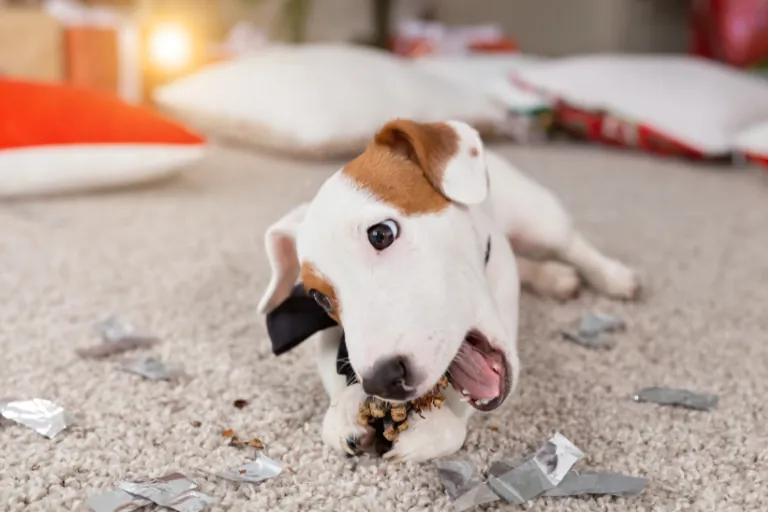
Maybe your dog swallowed a toy, sock, piece of plastic, or something pulled from the trash. Or perhaps your pet has been vomiting repeatedly, refusing food, or showing signs of gastrointestinal discomfort without an obvious cause.
When something may be stuck in the digestive tract, your emergency veterinarian may recommend pet endoscopy as part of the next steps.
Endoscopy allows veterinary teams to look inside certain parts of the digestive tract using a thin, flexible instrument with a camera. In some cases, the same procedure can also be used to retrieve an object from the esophagus or stomach without traditional abdominal surgery.
However, endoscopy is not appropriate for every gastrointestinal emergency. The location of the problem, the type of object involved, how long it has been there, and your pet’s overall condition all influence the treatment plan.
Signs that may lead to an emergency evaluation include repeated vomiting or regurgitation, excessive drooling, difficulty swallowing, loss of appetite, abdominal discomfort, lethargy, or a known foreign-object ingestion.
What This Could Mean
There are several reasons an emergency veterinary team may consider pet endoscopy.
One common reason is foreign body ingestion. Dogs, in particular, may swallow objects such as pieces of toys, fabric, food packaging, bones, or other items that cannot move safely through the gastrointestinal tract.
Cats can also swallow foreign material. String, ribbon, thread, pieces of toys, and other small objects can cause serious gastrointestinal problems.
The location matters.
An object lodged in the esophagus, the tube that carries food from the mouth to the stomach, may cause drooling, repeated swallowing, gagging, regurgitation, or difficulty eating.
An object in the stomach may cause vomiting, nausea, poor appetite, or abdominal discomfort. In some cases, pets initially show very few symptoms.
Endoscopy may also help veterinarians investigate certain gastrointestinal conditions when imaging or other diagnostic tests do not provide enough information. The camera allows the veterinarian to directly examine areas such as the esophagus and stomach and, when appropriate, collect small tissue samples for further testing.
However, if an object has already traveled farther into the intestines, endoscopy may no longer be able to reach it. Surgery may then become necessary, especially if there is an obstruction or damage to the intestinal tract.
Normal vs. Emergency Signs
If your pet vomits once and then returns to normal, it does not automatically mean an endoscopy is needed.
However, a known or suspected foreign-object ingestion changes the situation.
So, is this an emergency?
If you watched your pet swallow an object that could become lodged or cause injury, contacting a veterinary team promptly is important even if your pet still seems comfortable.
Seek emergency care if you notice:
- Repeated vomiting or regurgitation
- Difficulty swallowing
- Excessive drooling
- Gagging or repeated attempts to swallow
- Refusal to eat or drink
- Significant lethargy
- Abdominal pain or swelling
- Repeated attempts to vomit without producing anything
- Blood in vomit or stool
- Weakness or collapse
- Difficulty breathing
Sharp objects, batteries, certain bones, large pieces of toys, string-like material, and other potentially harmful items require particular caution.
Symptoms may also change as an object moves through the gastrointestinal tract. A pet that initially appears comfortable can develop vomiting, pain, or other signs later.
When to Go to the ER
If your pet has swallowed a potentially dangerous object, this is not something to monitor at home without veterinary guidance.
Early evaluation matters because the location of the object can affect which treatment options are available.
Time matters. Endoscopy typically only works while the object is still in the esophagus or stomach — usually within the first 12 to 24 hours after ingestion. Once an object passes into the intestines, an endoscope can no longer reach it, and surgery becomes necessary if it does not pass on its own. Contact your veterinary team as soon as you know or suspect your pet swallowed something, even if they still seem comfortable.
For example, an object that is still accessible in the esophagus or stomach may sometimes be removed through pet endoscopy. Once an object moves into the intestines, retrieval with an endoscope may no longer be possible.
Do not attempt to make your pet vomit unless a veterinarian specifically instructs you to do so. Certain objects can damage the esophagus on the way back up, and some substances can cause additional injury when vomited.
If you know what your pet swallowed, bring useful information with you. A matching toy, product packaging, photograph, or estimate of the object’s size can help the veterinary team understand what may be involved.
Do not delay emergency care if your pet is struggling to breathe, repeatedly vomiting, showing significant pain, becoming weak, or collapsing.
How Emergency Teams Stabilize These Cases
Before deciding whether endoscopy is appropriate, the veterinary team needs to understand where the object is and whether your pet is stable.
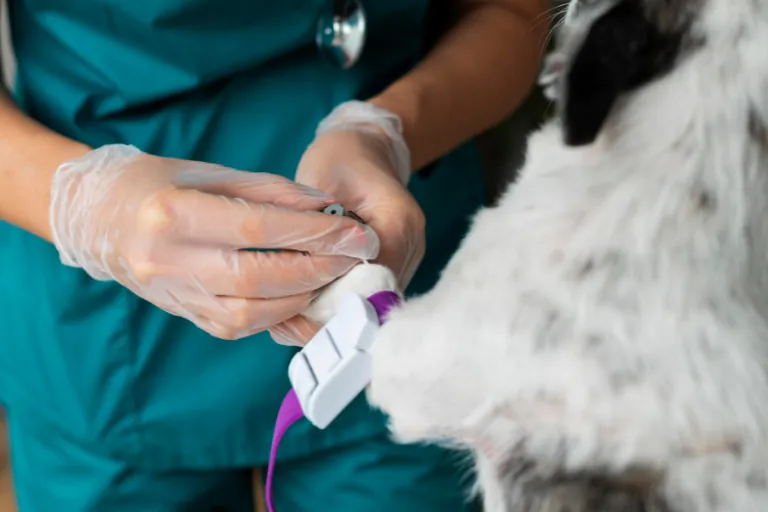
The evaluation usually begins with a physical examination and assessment of vital signs.
Diagnostic imaging may then be recommended. X-rays can identify many foreign objects or reveal patterns that suggest an obstruction. Ultrasound can provide additional information about the stomach, intestines, and surrounding tissues.
Blood testing may also help the team evaluate hydration, organ function, electrolyte changes, and your pet’s overall condition before anesthesia or another procedure.
If pet endoscopy is considered the safest and most appropriate option, your pet will typically need general anesthesia. This keeps the patient still and allows the veterinary team to safely pass the endoscope through the mouth and into the gastrointestinal tract.
A small camera at the end of the scope provides a real-time view. Specialized instruments can sometimes be passed through the scope to grasp and remove a foreign object.
One potential advantage of endoscopy is that it may allow certain objects to be removed without an abdominal incision. However, successful removal is not guaranteed.
Some objects may be too large, sharp, tightly lodged, or positioned beyond the endoscope’s reach. If endoscopic removal is not safe or successful, surgery may still be necessary.
As with any procedure involving anesthesia, endoscopy carries risks. The veterinary team considers your pet’s condition, the suspected problem, and available diagnostic information before recommending it.
What Recovery After Pet Endoscopy Can Look Like
Recovery depends on why the procedure was performed and what the veterinary team found.
After anesthesia, pets are monitored while they wake up. The team may monitor breathing, heart rate, temperature, comfort, and other vital signs during recovery.
Some pets can go home after an appropriate observation period. Others may need continued hospitalization, particularly if they were dehydrated, had repeated vomiting, experienced complications, or need additional treatment.
Mild throat irritation can sometimes occur after an upper gastrointestinal endoscopy. Your veterinary team will provide instructions about food, water, activity, medications if prescribed, and symptoms that should prompt reevaluation.
If tissue samples were collected, additional results may take time.
Recovery may be more involved if endoscopy could not remove the foreign object and surgery was required instead.
The important point is that pet endoscopy is one possible tool, not automatically the final treatment. Emergency teams choose the approach based on what provides the safest path for the individual patient.
Special Considerations in Florida and Texas
In Florida and Texas, pets often enjoy active indoor-outdoor lifestyles throughout much of the year. Cookouts, pool days, backyard gatherings, parks, patios, and time outdoors can all create opportunities for curious pets to find something they should not swallow.
Food packaging, corn cobs, fruit pits, bones, skewers, small toys, socks, pieces of fabric, and discarded items can become gastrointestinal hazards.
Warm weather can create another concern when vomiting is involved. A pet losing fluids through repeated vomiting may become dehydrated, and high temperatures can add to that challenge.
Busy households also create everyday opportunities for foreign-object ingestion. Children’s toys, hair ties, craft materials, food wrappers, and other small household objects should be kept out of reach.
Prevention starts with knowing your pet’s habits. If your dog tends to chew and swallow objects, secure trash cans and keep tempting items away from accessible counters and floors. For cats, pay particular attention to string, ribbon, thread, and similar materials.
FAQ
Does my pet need emergency care after swallowing a foreign object?
Potentially, yes. If the object could become lodged, cause poisoning, cut the digestive tract, or create an obstruction, prompt veterinary evaluation is important. Do not wait for severe symptoms if you know your pet swallowed something dangerous.
Can every swallowed object be removed with pet endoscopy?
No. Endoscopy can only reach certain areas of the gastrointestinal tract. The object’s size, shape, location, and how firmly it is lodged also matter. Objects farther into the intestines may require surgery.
How can I prevent foreign body ingestion?
Keep small toys, socks, food packaging, bones, string, ribbon, and other tempting objects out of reach. Secure trash cans and choose toys appropriate for your pet’s size and chewing habits. Supervise pets that have a history of swallowing non-food items.
If you’re in Florida or Texas and you’re unsure whether your pet’s symptoms require urgent care, our Greenlight Pet ER teams are available 24/7. When in doubt, it’s always safer to have your pet evaluated.