
Many pet owners enjoy sharing food with their pets, but not all human foods are safe. In fact, some common ingredients found in everyday meals can be toxic or life-threatening to dogs and cats. Understanding human foods pets cannot eat is essential to preventing accidental poisoning and emergency veterinary visits.
Even small amounts of certain foods can cause serious health issues depending on the pet’s size, species, and overall health.
This guide breaks down the most dangerous foods, how they affect the body, and what to do if exposure happens.
1. Chocolate and Caffeine Products
Chocolate is one of the most well-known toxic foods for pets, but the danger goes beyond chocolate alone. Any product containing caffeine can be harmful.
Why it is dangerous:
Chocolate contains theobromine and caffeine, which pets cannot metabolize effectively. These substances affect the nervous system and heart.
Symptoms of exposure:
- Restlessness or hyperactivity
- Vomiting
- Rapid heart rate
- Tremors
- Seizures in severe cases
Even small amounts of dark chocolate can be dangerous for small dogs.
2. Grapes and Raisins
Grapes and raisins are extremely toxic to dogs, and the exact toxic mechanism is still not fully understood.
Why it is dangerous:
They can cause sudden kidney failure in susceptible dogs, even in small quantities.
Symptoms:
- Vomiting
- Loss of appetite
- Lethargy
- Abdominal pain
- Reduced urination
Because reactions vary, any exposure should be treated seriously.
3. Onions, Garlic, and Related Foods
Onions, garlic, leeks, and chives belong to the allium family and are highly toxic to pets.
Why it is dangerous:
They damage red blood cells, which can lead to anemia.
Symptoms:
- Weakness
- Pale gums
- Lethargy
- Reduced appetite
- Dark-colored urine
Cooked, raw, or powdered forms can all be harmful.
4. Xylitol (Artificial Sweetener)
Xylitol is one of the most dangerous substances for dogs, often found in sugar-free products.
Common sources:
- Sugar-free gum
- Candy
- Baked goods
- Some peanut butters and nut butters
- Dental products
- Sugar-free protein bars and electrolyte drinks
Important labeling note: Xylitol is increasingly being labeled on ingredient lists as “birch sugar.” Both names refer to the same toxin. Always check product labels carefully, especially on peanut butters, gums, and baked goods marketed as “naturally sweetened” or “low sugar.”
Why it is dangerous:
It causes a rapid release of insulin, leading to severe hypoglycemia (low blood sugar) and potential liver failure.
Symptoms:
- Vomiting
- Weakness
- Loss of coordination
- Seizures
- Collapse
This is a true emergency even in small amounts.
5. Alcohol and Fermented Foods
Alcohol is extremely toxic to pets, even in small quantities.
Why it is dangerous:
Pets are much more sensitive to alcohol than humans, affecting the brain and respiratory system.
Symptoms:
- Disorientation
- Vomiting
- Difficulty breathing
- Low body temperature
- Collapse
Even foods containing alcohol or raw dough can be dangerous.
6. Cooked Bones and Fat Trimmings
While bones may seem natural for pets, cooked bones are dangerous.
Why it is dangerous:
They can splinter and cause internal injuries or blockages. Fat trimmings can cause pancreatitis.
Risks:
- Choking
- Intestinal blockage
- Severe digestive inflammation
Symptoms:
- Vomiting
- Abdominal pain
- Constipation or diarrhea
7. Dairy Products
Many pets are lactose intolerant, especially dogs and cats after weaning.
Why it is problematic:
They lack sufficient lactase enzyme to digest lactose properly.
Symptoms:
- Diarrhea
- Gas
- Vomiting
- Abdominal discomfort
Small amounts may not always cause severe reactions, but regular consumption is not recommended.
8. High-Fat and Fried Foods
Foods like bacon, fried chicken, and greasy leftovers can cause digestive and pancreatic issues.
Why it is dangerous:
High fat intake can trigger pancreatitis, a painful and potentially serious condition.
Symptoms:
- Vomiting
- Loss of appetite
- Abdominal pain
- Lethargy
Even a small amount of fatty food can trigger problems in sensitive pets.
9. Salty Snacks and Processed Foods
Chips, pretzels, and processed human snacks contain excessive sodium.
Why it is dangerous:
High sodium levels can lead to dehydration and sodium ion poisoning.
Symptoms:
- Excessive thirst
- Vomiting
- Tremors
- Seizures in severe cases
10. Avocado (Controversial but Risky)
Avocado contains a substance called persin, which can be toxic in large amounts depending on the animal.
Why caution is needed:
Dogs are less sensitive than birds or horses, but ingestion can still cause stomach upset.
Symptoms:
- Vomiting
- Diarrhea
- Abdominal discomfort
11. Macadamia Nuts
Macadamia nuts are uniquely toxic to dogs, and even a small handful can cause noticeable symptoms.
Why it is dangerous:
The exact toxic mechanism is not fully understood, but macadamia nuts affect the nervous system, muscles, and digestive tract.
Symptoms:
- Weakness, especially in the hind legs
- Tremors
- Vomiting
- Hyperthermia (elevated body temperature)
- Loss of coordination
- Lethargy
Symptoms usually appear within 12 hours of ingestion and can be worsened when macadamia nuts are combined with chocolate, such as in cookies or trail mix.
12. Raw Yeast and Bread Dough
Raw bread or pizza dough may seem harmless, but it can cause two simultaneous emergencies in pets.
Why it is dangerous:
The warm, moist environment of the stomach causes the dough to continue rising, leading to dangerous stomach distension that can resemble bloat (GDV). At the same time, the yeast ferments the sugars into alcohol, which is absorbed into the bloodstream and causes alcohol toxicity.
Symptoms:
- Distended or bloated abdomen
- Unproductive retching or vomiting
- Disorientation
- Weakness
- Low body temperature
- Collapse
Any ingestion of raw dough should be treated as a true emergency, even if the pet seems fine initially.
Normal vs. Emergency Signs After Food Exposure
Many pet owners wonder, “Is this an emergency?”
It becomes an emergency when symptoms include:
- Repeated vomiting or diarrhea
- Tremors or seizures
- Collapse or extreme weakness
- Difficulty breathing
- Pale or abnormal gums
- Loss of coordination
- Sudden behavioral changes after eating
When it comes to human foods pets cannot eat, symptoms can escalate quickly depending on the toxin.
A Special Note About Cats
Several of the foods listed above are even more dangerous for cats than for dogs. Cats are dramatically more sensitive to onions, garlic, and other allium-family foods, where very small amounts can cause red blood cell damage and anemia. They are also highly sensitive to acetaminophen (Tylenol), which can be fatal in a single dose, and to essential oils used in some “natural” food flavorings. Because cats are smaller, groom themselves frequently, and metabolize toxins differently than dogs, any suspected exposure should be treated as urgent, even when the amount seems small.
When to Go to the ER
If your pet has eaten any potentially toxic food, do not wait for symptoms to appear.
This is not something to monitor at home.
Early treatment significantly improves outcomes, especially in cases involving chocolate, xylitol, grapes, or alcohol exposure.
Veterinary teams may perform decontamination, provide IV fluids, monitor blood sugar, or manage neurological symptoms depending on the toxin involved.
Animal Poison Control Resources
If your pet has eaten something potentially toxic and you cannot reach a veterinarian immediately, two 24/7 animal poison control hotlines are available:
- Pet Poison Helpline: (855) 764-7661
- ASPCA Animal Poison Control Center: (888) 426-4435
A consultation fee applies, but these specialists can provide critical guidance specific to your pet’s species, weight, and the toxin involved. They can also issue a case number that your veterinary team can reference upon arrival, which can speed up treatment decisions. Call them on the way to the ER, not instead of going.
How Emergency Teams Handle Toxic Food Cases
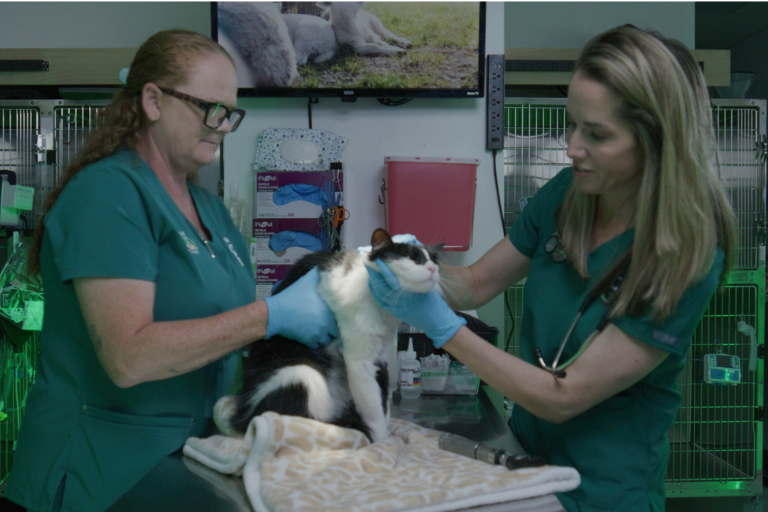
When pets arrive after ingesting toxic foods, veterinary teams prioritize stabilization and toxin management.
Evaluation may include:
- Physical examination
- Blood glucose testing
- Liver and kidney function tests
- Neurological assessment
- Imaging if obstruction is suspected
Treatment may involve:
- Inducing vomiting (when appropriate and safe)
- Activated charcoal administration
- Intravenous fluids
- Medications to protect organs
- Seizure control if needed
- Hospital monitoring
The earlier the intervention, the better the prognosis in most toxin exposures.
Special Considerations in Florida and Texas
In both Florida and Texas, hot weather and outdoor lifestyles increase the risk of accidental food exposure.
In Florida, pets may access food during outdoor gatherings, beach trips, or barbecues where toxic foods are present.
In Texas, larger outdoor events, grilling culture, and backyard gatherings increase exposure to fatty meats, bones, and seasoned foods.
Heat can also worsen toxin effects by contributing to dehydration and stress.
Prevention Tips
Preventing exposure to human foods pets cannot eat is the safest approach.
- Keep human food out of reach
- Avoid feeding table scraps
- Educate guests about pet safety
- Secure trash bins
- Store chocolate and snacks safely
- Use only pet-safe treats
Consistency is key in preventing accidental ingestion.
FAQ
What human foods are most dangerous for pets?
Chocolate, grapes, raisins, xylitol, onions, garlic, and alcohol are among the most toxic foods for dogs and cats.
What should I do if my pet eats something toxic?
Contact a veterinarian immediately. Do not wait for symptoms to appear.
Can small amounts of human food harm pets?
Yes. Even small quantities of certain foods like xylitol or grapes can be dangerous.
If you’re in Florida or Texas and you’re unsure whether your pet’s symptoms require urgent care, our Greenlight Pet ER teams are available 24/7. When in doubt, it’s always safer to have your pet evaluated.