When your pet suddenly gets sick or hurt, one of the first questions many owners ask is about emergency veterinarian vs urgent care: which one do I actually need right now? The two terms sound similar, but they are not the same, and choosing the wrong one can cost precious time.
Understanding the difference ahead of time, before you are in a stressful situation, can help you make a faster and safer decision when it matters most.
What Each One Is Designed For
Urgent care for pets is generally meant for conditions that need attention soon, but are not immediately life-threatening. Think of it as a step above a routine appointment. Common reasons to visit an urgent care clinic include minor limping, mild vomiting, small skin wounds, or a minor eye irritation.
Urgent care clinics are often staffed with fewer resources than a full emergency hospital. They may not have advanced imaging, in-house surgery, or 24/7 monitoring capability. Hours are also usually limited, often daytime or early evening only.
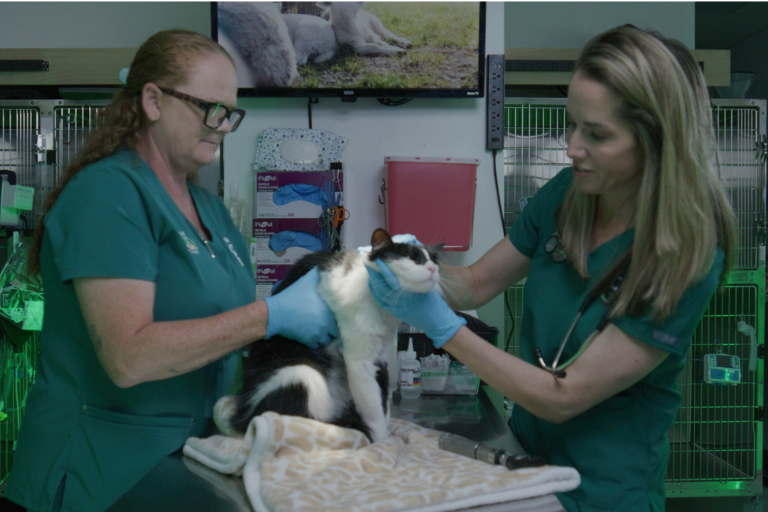
Emergency veterinarian hospitals, by contrast, are built for situations where a delay could seriously harm your pet. These facilities are typically open 24/7 and are equipped for advanced, critical care, including oxygen therapy, in-house diagnostics, blood work, ultrasound, and emergency surgery when needed.
The core difference in the emergency veterinarian vs urgent care decision comes down to one question: could waiting make this worse, or even fatal?
How to Tell Which One You Need
There is no single symptom checklist that fits every situation, but a few guiding questions can help.
Ask yourself:
- Is my pet struggling to breathe, unresponsive, or collapsed?
- Is there uncontrolled bleeding or a visible traumatic injury?
- Has there been a known or suspected toxin exposure?
- Is my pet trying to vomit but nothing is coming up, especially in a large-breed dog?
- Is my pet a male cat straining to urinate with little or no output?
If you answered yes to any of these, this is an emergency, not an urgent care situation. These signs can progress quickly, and early treatment significantly improves outcomes.
If your pet has a mild issue, is eating and behaving mostly normally, and simply needs to be seen sooner than a routine appointment, urgent care may be appropriate.
What Happens If You Choose Wrong
Choosing urgent care for a true emergency can mean losing time your pet does not have, since many urgent care clinics will simply refer you to Greenlight Pet ER anyway once they recognize the severity.
On the other hand, choosing Greenlight Pet ER for a mild issue is never a wrong choice from a safety standpoint. Our team is trained to triage and will prioritize the most critical patients first, but every pet is evaluated.
If you are ever unsure, it is always safer to go straight to Greenlight Pet ER. This is not something to guess on when your pet’s condition could be serious.
How Emergency Teams Are Equipped Differently
The equipment and staffing gap is one of the clearest ways to understand emergency veterinarian vs urgent care. A true emergency hospital is generally staffed around the clock with veterinarians and technicians trained specifically in critical care.
These teams have immediate access to:
- Oxygen therapy and advanced respiratory support
- In-house blood diagnostics and imaging, including X-ray and ultrasound
- IV fluids and continuous monitoring
- Surgical capability for time-sensitive conditions like bloat/GDV or trauma
This level of readiness is what allows an emergency hospital to stabilize a critical patient within minutes of arrival, something most urgent care clinics are not built to do.
Special Considerations in Florida and Texas
In Florida, high heat and humidity contribute to heatstroke, water-related injuries, and exposure to tropical toxins like certain toads and plants. These situations often escalate quickly and are better suited to an emergency hospital rather than urgent care.
In Texas, extreme heat and dense urban environments raise similar concerns. Hot pavement and asphalt can cause paw burns and rapid overheating during walks, and heavy traffic increases the risk of trauma from vehicle-related accidents. In busy metro areas, knowing the difference between an emergency veterinarian and urgent care ahead of time helps you decide quickly where to go, without losing time researching options during rush hour or a stressful moment.
Why Continuity of Care Matters
Another important distinction between emergency veterinarian vs urgent care is what happens after the first evaluation. Urgent care clinics are generally built around shorter visits, since they do not have the space, staffing, or monitoring equipment to keep a pet overnight or manage an evolving condition.
Emergency hospitals, by contrast, are set up for continuous care. If your pet needs hospitalization, repeat monitoring, or a treatment plan that unfolds over several hours, an emergency hospital can manage that entire process in one place, from initial stabilization through recovery.
This matters most in conditions that do not resolve quickly. A pet recovering from surgery, being monitored for internal bleeding, or receiving IV fluids over several hours needs a team and a facility built for that kind of ongoing, hands-on care, something a same-day urgent care visit is not designed to provide.
Choosing the facility that matches the level of care your pet actually needs, from the very first visit, helps avoid unnecessary transfers and gaps in monitoring during a critical window.
What to Bring and How to Prepare, Regardless of Which You Choose
Whether you end up at an urgent care clinic or a full emergency hospital, a few simple things can make the visit smoother:
- Any medications or supplements your pet currently takes, or a list of them
- Basic history: when symptoms started, whether they are getting worse, and any recent changes at home
- Information about known allergies or prior health conditions
- If you suspect a toxin, the packaging or a photo of what your pet may have ingested
- A carrier or leash appropriate for your pet’s size and temperament, even for larger dogs, since some pets need extra support when they are not feeling well
Having this information ready does not just save time at check-in. It also helps the veterinary team make faster, more accurate decisions about your pet’s care from the very first minutes.
How to Decide When You Are Not Sure
Even with a clear understanding of emergency veterinarian vs urgent care, real situations are not always black and white. A pet who is limping but otherwise bright and eating well is a different scenario than a pet who is limping and also refusing food, hiding, or breathing abnormally.
When you are genuinely unsure, calling Greenlight Pet ER ahead can help. Our staff is available to answer a quick phone call and offer guidance about whether your pet’s symptoms sound like they need immediate evaluation. This can help you avoid unnecessary stress while still making sure nothing serious goes unaddressed.
As a general rule, if you find yourself debating whether something is “probably fine,” it is worth having your pet seen. Early evaluation rarely causes harm, but a missed emergency can.
FAQ
Can I go straight to Greenlight Pet ER instead of trying urgent care first?
Yes. You never need to visit urgent care before going to Greenlight Pet ER. If you are unsure of the severity, going directly to Greenlight Pet ER is always the safer choice.
What symptoms should never wait for urgent care hours?
Difficulty breathing, collapse, uncontrolled bleeding, suspected toxin exposure, seizures, and unproductive retching all warrant immediate emergency evaluation at Greenlight Pet ER.
Can urgent care clinics treat life-threatening conditions?
Most urgent care clinics are not equipped for advanced critical care and will refer serious cases to Greenlight Pet ER. Going directly to Greenlight Pet ER in these situations saves time.
What if I call urgent care and they are closed?
Many urgent care clinics keep limited hours, especially overnight. Greenlight Pet ER is always available as a backup option, and is the safer choice for anything that cannot wait until morning.
Can I switch from urgent care to Greenlight Pet ER mid-visit?
Yes. If an urgent care team identifies signs that your pet needs a higher level of care, they will typically recommend, and can help coordinate, a transfer to Greenlight Pet ER.
If you’re in Florida or Texas and you’re unsure whether your pet’s symptoms require urgent care, our Greenlight Pet ER teams are available 24/7. When in doubt, it’s always safer to have your pet evaluated.
Find the nearest Greenlight Pet ER location:
Jacksonville, FL — 14985 Old St. Augustine Rd Units 106 & 107, Jacksonville, FL 32258 — Tel: (904) 865-4860
The Woodlands, TX — 7901 Research Forest Dr Suite 1100, The Woodlands, TX 77382 — Tel: (915) 400-1010
Plantation, FL — 1811/1819 North Pine Island, Plantation, FL 33322 — Tel: (754) 223-6360
Lake Nona, FL — 11739 Narcoossee Rd Suite 110, Orlando, FL 32832 — Tel: (407) 680-2320