
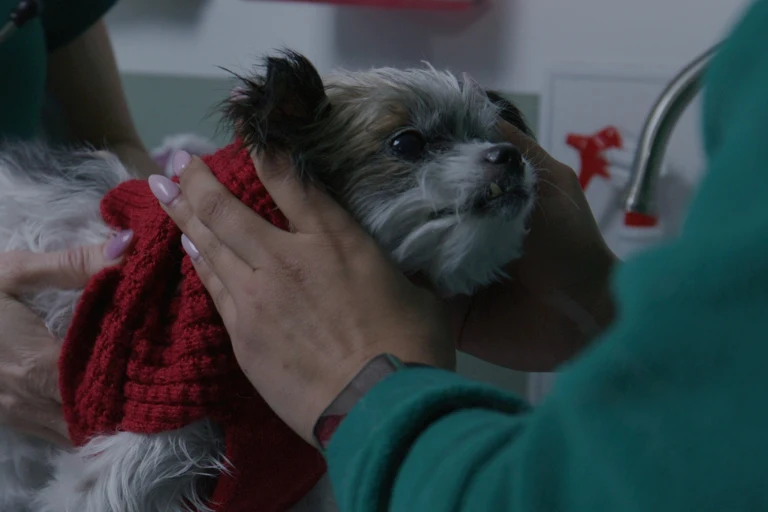
Most pet owners never think about how to choose an emergency veterinary hospital until they are already in a crisis. By then, there is little time to research options or compare capabilities. Knowing what to look for ahead of time can save critical minutes when your pet needs help most.
Not all emergency facilities offer the same level of care. Understanding a few key factors can help you choose confidently, before an emergency ever happens.
What to Look for in an Emergency Veterinary Hospital
The most important factor in how to choose an emergency veterinary hospital is whether the facility is truly equipped for critical care, not just open extended hours. Look for a hospital that offers:
- 24/7 availability, including overnight and holidays
- On-site diagnostic imaging, such as X-ray and ultrasound
- In-house bloodwork and laboratory testing
- Oxygen therapy and respiratory support equipment
- Surgical capability for time-sensitive conditions
- Continuous monitoring for hospitalized patients
A facility that has all of this on-site can begin treatment immediately, rather than needing to transfer your pet elsewhere for advanced diagnostics or surgery, which can cost valuable time in a true emergency.
Key Questions to Ask Before You Need One
It is worth calling or researching emergency hospitals in your area before an emergency happens. Helpful questions include:
- Are you open 24 hours, including weekends and holidays?
- Do you have a veterinarian on-site at all times, or on-call only?
- Can you perform surgery immediately if needed, or would my pet need to be transferred?
- What diagnostic equipment do you have on-site?
- How do you communicate with owners during treatment?
Knowing the answers in advance means you will not be searching for this information while your pet is in distress.
Warning Signs of an Under-Equipped Facility
Some facilities describe themselves as “emergency” or “urgent care” but may not have the resources to manage truly critical cases. Signs that a facility may be limited include:
- No on-site advanced imaging or in-house lab work
- Limited overnight staffing or no overnight monitoring
- Frequent referrals to other hospitals for anything beyond basic care
- No dedicated critical care or ICU space
This does not mean these clinics are not useful for less urgent situations, but it does mean they may not be the right choice for conditions like bloat/GDV, trauma, toxicity, or respiratory distress, where every minute matters.
Why 24/7 Advanced Care Matters
Emergencies do not follow a schedule. Conditions like bloat, severe trauma, poisoning, and breathing difficulty can happen at any hour, and many progress quickly. A hospital that is only staffed with full capability during the day cannot help if your pet’s emergency happens at 2 a.m.
True 24/7 emergency hospitals are staffed with veterinarians and technicians trained specifically in critical and emergency medicine at all times, not just during business hours. This continuity of care is often the difference between quick stabilization and a delayed, higher-risk transfer.
Early treatment consistently improves outcomes, which is why access to full capability at any hour is one of the most important parts of how to choose an emergency veterinary hospital.
Special Considerations in Florida and Texas
In Florida, seasonal factors like hurricanes, tropical storms, and extreme heat can affect road access and travel time to emergency care. It is worth knowing your nearest 24/7 option and an alternate route in advance.
In Texas, heavy traffic and dense city layouts can make travel time to an emergency hospital unpredictable, especially during peak hours. Knowing your closest advanced facility, and roughly how long it takes to get there under typical traffic conditions, can make a meaningful difference if time-sensitive symptoms appear.
Comparing Multiple Emergency Hospitals in Your Area
If you have more than one emergency hospital option nearby, it is worth taking time to compare them before you actually need one. Not all facilities that call themselves an “emergency hospital” offer the same depth of care.
When comparing options, consider:
- Whether the facility has a dedicated critical care or ICU area, versus general treatment space only
- How experienced the veterinary team is with high-acuity cases like trauma, toxin ingestion, or bloat/GDV
- Whether surgery can be performed on-site immediately, or whether patients are typically transferred elsewhere
- How the facility handles communication with owners during treatment
- Whether the hospital works closely with your regular veterinarian for continuity of care afterward
Visiting a facility in person, or at least reviewing detailed information about their capabilities, can give you a much clearer picture than a quick online search alone. Some hospitals are also happy to answer questions about their equipment and staffing model if you call and ask directly.
What to Keep on Hand for a Fast Decision
Part of how to choose an emergency veterinary hospital well is being ready to act quickly once you have made your choice. A few simple things kept on hand can save valuable time:
- The name, address, and phone number of your chosen 24/7 emergency hospital, saved in your phone
- A backup option, in case your primary choice is unusually busy or temporarily unavailable
- A basic pet health folder with vaccine records, known conditions, and current medications
- A carrier or leash appropriate for your pet’s size, kept somewhere accessible
- Directions or a saved map route, especially useful in high-traffic areas of Texas or storm-prone areas of Florida where road access can change quickly
Having this information organized before an emergency happens means you will not be searching for it while you are worried about your pet.
Trusting Your Instincts as a Pet Owner
You know your pet better than anyone else. If something feels wrong, even if you cannot point to one specific symptom, that instinct is worth taking seriously. Choosing a hospital you trust ahead of time means you can act on that instinct immediately, rather than hesitating over where to go.
A well-equipped emergency hospital will never make you feel like your concern was unwarranted, even if the outcome turns out to be less serious than you feared. Early evaluation is always the safer path, and having already chosen a trusted facility removes one more barrier between you and getting your pet the help they need.
FAQ
How do I know if an emergency veterinary hospital is truly 24/7? Confirm directly with the hospital that veterinarians and technicians are on-site, not just on-call, at all hours, including overnight and holidays.
What is the biggest difference between emergency hospitals in my area? The clearest differences are usually in on-site equipment, surgical capability, and staffing depth. A hospital that can diagnose and treat without transferring your pet elsewhere offers a real advantage in time-sensitive cases.
Should I choose an emergency hospital before my pet ever needs one? Yes. Identifying a trusted, fully equipped emergency hospital in advance means you can act immediately rather than searching for options during a crisis.
What should I do if my regular veterinarian is closed and I am unsure of the severity? Call Greenlight Pet ER directly. Our team can help you understand whether your pet’s symptoms warrant an immediate visit.
Is it okay to switch emergency hospitals if I am not confident in one I have used before? Yes. If you did not feel confident in the communication, thoroughness, or capability of a facility, it is reasonable to identify a different trusted option for future emergencies.
If you’re in Florida or Texas and you’re unsure whether your pet’s symptoms require urgent care, our Greenlight Pet ER teams are available 24/7. When in doubt, it’s always safer to have your pet evaluated.
Find the nearest Greenlight Pet ER location:
Jacksonville, FL — 14985 Old St. Augustine Rd Units 106 & 107, Jacksonville, FL 32258 — Tel: (904) 865-4860
The Woodlands, TX — 7901 Research Forest Dr Suite 1100, The Woodlands, TX 77382 — Tel: (915) 400-1010
Plantation, FL — 1811/1819 North Pine Island, Plantation, FL 33322 — Tel: (754) 223-6360
Lake Nona, FL — 11739 Narcoossee Rd Suite 110, Orlando, FL 32832 — Tel: (407) 680-2320

