
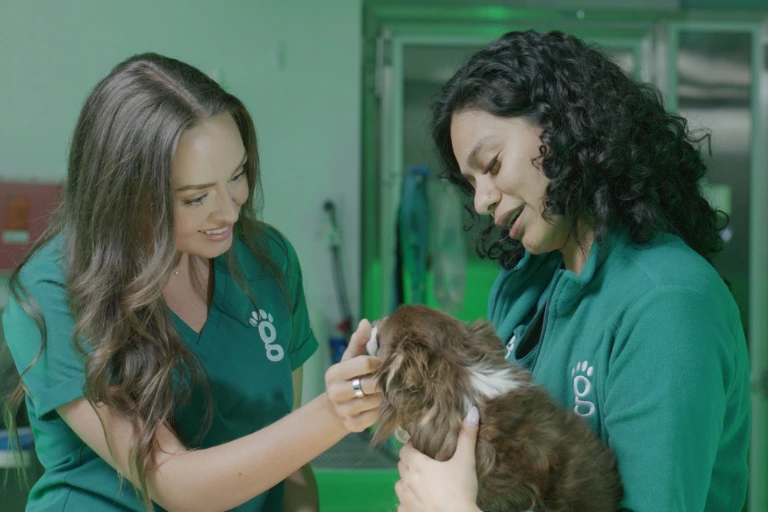
Arriving at an emergency hospital with a sick or injured pet is stressful, and not knowing what to expect can make it harder. Understanding what happens during an emergency veterinarian visit ahead of time can help you feel calmer and more prepared if that moment ever comes.
While every case is different, most emergency visits follow a similar overall process, from the moment you walk in to the point your pet is stable and a plan is in place.
Triage: What Happens First
The first step in almost every emergency visit is triage. A veterinary technician will quickly assess your pet to determine how urgent their condition is. This usually includes checking breathing, gum color, heart rate, and overall responsiveness.
Triage is not based on who arrived first. It is based on medical severity. A pet in respiratory distress or shock will be moved to treatment immediately, even if other pets are waiting. This system exists to protect the patients who cannot wait, and it is one of the most important differences between an emergency hospital and a routine veterinarian visit.
During this stage, you will usually be asked a few quick questions: what symptoms you noticed, when they started, and whether your pet has any known health conditions or recent exposures.
Diagnostic Testing and Evaluation
Once your pet is stable enough, or immediately if the case is not critical, the veterinary team will begin a more complete evaluation. This is where you can see what happens during an emergency veterinarian visit from a diagnostic standpoint.
Common diagnostics may include:
- A full physical examination
- Bloodwork to check organ function, infection, and hydration status
- X-rays or ultrasound to look for internal injury, obstruction, or fluid
- Urinalysis, especially for urinary or kidney concerns
- Blood pressure and oxygen level monitoring
Not every pet needs every test. The veterinarian will choose diagnostics based on your pet’s specific symptoms and exam findings, and will explain the reasoning to you along the way.
Treatment and Stabilization
Based on the diagnostic findings, the team will begin treatment. In many emergency cases, stabilization actually starts before a full diagnosis is complete, because certain steps, like oxygen support or IV fluids, help a critical patient regardless of the underlying cause.
Depending on the condition, treatment may include:
- Oxygen therapy for breathing difficulty
- IV fluids to treat dehydration or shock
- Pain management
- Medication for nausea, infection, or inflammation
- Emergency surgery, for conditions like bloat/GDV, obstructions, or major trauma
This is not something rushed or improvised. Every step follows a structured process designed to give your pet the best possible outcome, even under time pressure.
What to Expect as a Pet Owner
While your pet is being evaluated and treated, you can expect ongoing communication from the veterinary team. Most emergency hospitals will update you on findings and next steps before major treatment decisions are made.
You may also be asked to wait in a lobby area while your pet receives care, especially if oxygen support, imaging, or a sterile treatment space is required. This is normal and is done to keep your pet calm and to allow the team to work efficiently.
Depending on the diagnosis, your visit may end with:
- Take-home treatment and monitoring instructions
- A recommendation for hospitalization and continued monitoring
- Referral for specialized surgery or ongoing care
Early treatment consistently improves outcomes, so even if the wait feels long, know that time is being used to stabilize and accurately diagnose your pet.
Special Considerations in Florida and Texas
In Florida, emergency visits often involve heat-related illness, water exposure incidents, or tropical toxin ingestion, all of which may require rapid cooling, oxygen support, or toxin-specific treatment protocols.
In Texas, emergency teams frequently manage cases involving extreme heat exposure and trauma from vehicle-related accidents in busy urban areas, which may call for wound stabilization, imaging, and orthopedic evaluation depending on the case.
What to Expect if Your Pet Needs to Stay for Monitoring
Some conditions cannot be fully resolved in a single visit. If your pet needs ongoing IV fluids, repeat bloodwork, close monitoring after surgery, or oxygen support over several hours, the veterinary team may recommend hospitalization rather than sending your pet home the same day.
During a hospital stay, your pet will typically be checked at regular intervals by veterinary technicians and monitored for changes in vital signs, pain level, and response to treatment. Many hospitals will also call with updates at set points during the day or night, so you are not left wondering how your pet is doing.
This stage of care is just as important as the initial stabilization. Conditions like bloat/GDV, severe trauma, or toxin ingestion often require this kind of continued observation to make sure your pet’s condition is truly improving, and not just appearing stable on the surface.
What Happens After Treatment: Discharge and Follow-Up Care
Once your pet is stable and ready to go home, the veterinary team will walk you through discharge instructions. This typically includes:
- Any medications to give at home, including dosing and timing
- Activity restrictions, such as limiting movement after surgery or an injury
- Diet changes, if your pet’s condition affects digestion or appetite
- Signs that would mean you should return immediately, rather than wait
- Recommendations for follow-up with your regular veterinarian
Understanding what happens during an emergency veterinarian visit does not end when you leave the building. Many conditions require a short recovery period at home, with specific signs to watch for as your pet continues healing.
If your pet was hospitalized or had surgery, the team will usually provide written instructions in addition to verbal guidance, since it is easy to forget details after a stressful visit. Do not hesitate to ask questions again once you are home if something is unclear.
How Communication Works Throughout the Visit
One of the most reassuring parts of an emergency visit is consistent communication. Before any major diagnostic step or treatment, the veterinary team will typically explain what they recommend and why, so you understand what is happening and what to expect next.
If your pet’s condition changes during the visit, whether improving or requiring a different approach, you should be updated promptly. Do not hesitate to ask questions at any point. Understanding your pet’s condition, the reasoning behind each step, and what comes next is part of feeling confident in their care, even during a stressful moment.
FAQ
How long does an emergency veterinarian visit usually take?
This varies widely depending on your pet’s condition and the diagnostics needed, ranging from under an hour for stable cases to several hours or overnight hospitalization for critical patients.
Will I be able to stay with my pet during treatment?
In many cases, owners wait in the lobby while diagnostics and treatment occur, since some procedures require a sterile or controlled environment. The team will keep you updated throughout.
How can I make an emergency visit go more smoothly?
Bringing any medications your pet takes, noting when symptoms started, and staying calm to help your pet feel more secure can all help the visit go more efficiently.
What happens if my pet needs to stay overnight?
Your pet will be monitored continuously by the veterinary team, with regular checks on vital signs and response to treatment. You will typically receive updates at set intervals.
What should I do if symptoms come back after we go home?
Follow the specific guidance given at discharge, and contact Greenlight Pet ER right away if any warning signs return or your pet’s condition seems to be worsening rather than improving.
If you’re in Florida or Texas and you’re unsure whether your pet’s symptoms require urgent care, our Greenlight Pet ER teams are available 24/7. When in doubt, it’s always safer to have your pet evaluated.
Find the Nearest Greenlight Pet ER Location
Jacksonville, FL — 14985 Old St. Augustine Rd Units 106 & 107, Jacksonville, FL 32258 — Tel: (904) 865-4860
The Woodlands, TX — 7901 Research Forest Dr Suite 1100, The Woodlands, TX 77382 — Tel: (915) 400-1010
Plantation, FL — 1811/1819 North Pine Island, Plantation, FL 33322 — Tel: (754) 223-6360
Lake Nona, FL — 11739 Narcoossee Rd Suite 110, Orlando, FL 32832 — Tel: (407) 680-2320

