What You’re Seeing at Home
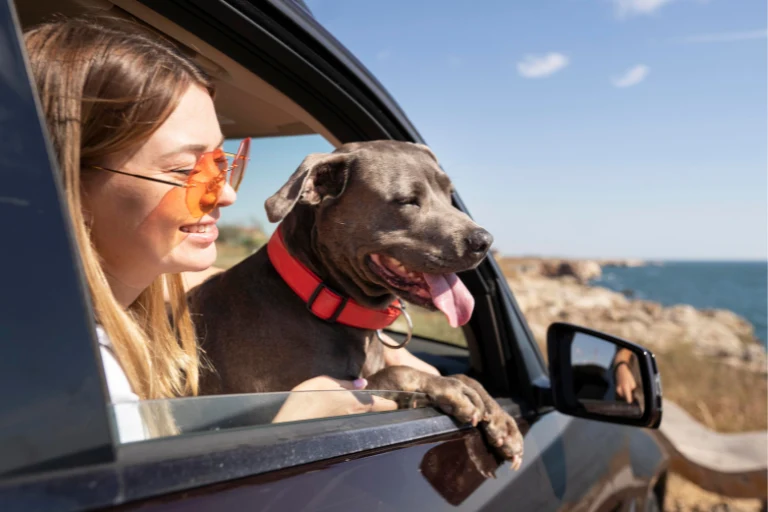
Travel is exciting, but for your pet, it can be a source of stress, disorientation, and unexpected health risks. Before you pack the car or book a flight, it helps to know what signs of distress to watch for and how to prepare your pet for the journey ahead.
Some pets handle travel well. Others show signs of anxiety from the moment they see a suitcase. You might notice your dog panting excessively, drooling, pacing, or whimpering even before you leave the driveway. Cats may hide, vocalize loudly, or refuse to eat. These are early signs that your pet needs extra support during travel.
Knowing what is normal travel stress versus what requires medical attention can make the difference between a smooth trip and an emergency stop. Preparation is everything.
What This Could Mean
Travel exposes pets to a range of physical and emotional stressors that they do not encounter in daily life. Changes in routine, unfamiliar smells, temperature shifts, motion, and confinement can all trigger anxiety or physical reactions.
Motion sickness is one of the most common travel-related issues in dogs and cats. It happens when signals from the inner ear conflict with what the eyes are seeing, causing nausea, drooling, and vomiting. Puppies and kittens tend to be more susceptible, though many outgrow it with positive exposure over time.
Dehydration is another concern, especially on long trips. Pets that are anxious may refuse to drink, and in hot states like Florida and Texas, that can become a problem quickly.
More serious risks include heatstroke from being left in a parked vehicle, respiratory distress in brachycephalic breeds during air travel, and injuries from unrestrained movement in the car. Understanding these risks helps you plan around them.
Safe Travel vs. Emergency Signs
Not every bump in the road is a reason to panic. Here is how to tell the difference between normal travel stress and something that needs immediate attention.
Signs of Normal Travel Stress
- Mild panting or restlessness during the first part of the trip
- Yawning, lip licking, or mild drooling
- Reduced appetite on travel day
- Hiding or being quieter than usual
Signs That Require Emergency Care
- Continuous vomiting or vomiting with blood
- Collapse or inability to stand
- Labored or noisy breathing
- Pale, white, or bluish gums
- Seizures or uncontrolled trembling
- Unresponsiveness or extreme disorientation
- Signs of heatstroke: excessive panting, bright red gums, glazed eyes
⚠️ Is this an emergency? If your pet shows any of the serious signs above during or after travel, find the nearest emergency veterinary hospital immediately. Do not wait until you reach your destination.
When to Go to the ER
Travel emergencies can happen anywhere along the route. If your pet experiences a sudden health crisis while you are on the road, the priority is finding emergency care fast, not completing the trip.
Heatstroke, severe dehydration, respiratory distress, and trauma from accidents are the most common travel-related emergencies that require immediate ER attention. If your pet was unrestrained during a sudden stop or collision, have her evaluated even if she appears fine. Internal injuries are not always visible right away.
If you are traveling through Florida or Texas, Greenlight Pet ER locations are available 24 hours a day, seven days a week.
How Emergency Teams Stabilize These Cases
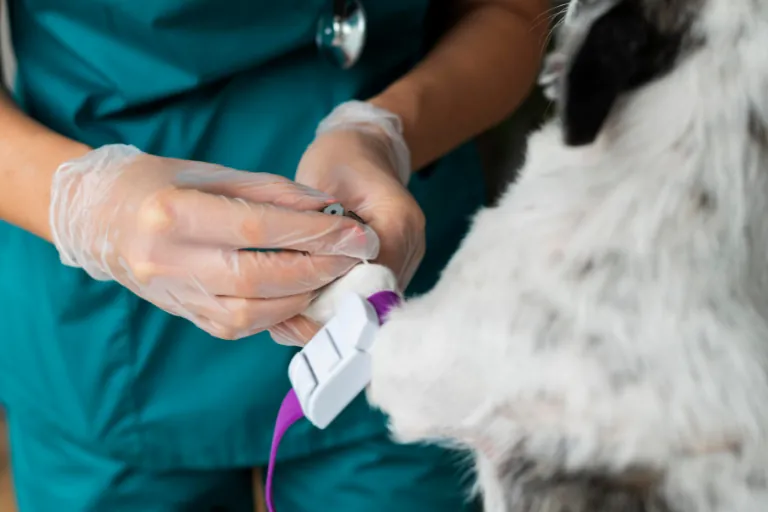
When a pet arrives at Greenlight Pet ER following a travel-related emergency, the team assesses the situation immediately. The type of care depends on what happened, but the response is always fast.
For heatstroke, the priority is cooling the body safely while supporting blood pressure and organ function with IV fluids. For dehydration, fluids are administered and electrolyte levels are checked. For trauma, imaging helps identify injuries that are not visible externally. For respiratory emergencies, oxygen therapy is provided right away while the underlying cause is identified.
Pets in distress after travel are often also anxious and disoriented. The team at Greenlight is trained to handle critical cases with both medical precision and a calm, steady approach that helps reduce stress during treatment.
Special Considerations in Florida and Texas
Traveling with pets in Florida and Texas comes with specific challenges that owners should plan for in advance.
In Florida, the heat and humidity are year-round concerns. Even a five-minute stop with your pet in the car can be dangerous in summer months. Coastal areas also bring exposure to saltwater, sand, and marine wildlife that can cause gastrointestinal issues if ingested. If you are traveling with your pet to the beach, watch for excessive drinking of saltwater and keep an eye out for jellyfish or debris on the shore.
In Texas, distances between cities can be significant. Long stretches of highway mean fewer stops, higher temperatures, and limited access to veterinary care in some rural areas. Planning your route with rest stops, water access, and nearby emergency hospitals in mind is especially important. Outdoor adventures like hiking or camping in Texas also bring risks from wildlife, snakes, and extreme heat.
In both states, never leave your pet unattended in a parked vehicle, even for a few minutes.
Your Pre-Travel Checklist
Before you leave, go through this list to make sure your pet is ready for the journey.
Health and Documents
- Visit your veterinarian for a pre-travel checkup
- Ensure vaccinations are current
- Carry a copy of vaccination records and medical history
- Ask your vet about anti-nausea or anxiety medication if needed
- Make sure your pet is microchipped and the information is up to date
Safety and Comfort
- Use an approved carrier or safety harness in the vehicle
- Bring familiar items like a blanket or toy to reduce anxiety
- Pack enough food and water for the entire trip plus extra
- Bring collapsible bowls for easy feeding on the road
- Keep your pet’s leash and ID tag accessible at all times
Emergency Preparedness
- Research emergency veterinary hospitals along your route
- Save the number of at least one 24-hour ER vet in each state you are passing through
- Pack a basic pet first aid kit
- Know the signs of heatstroke, dehydration, and motion sickness
Frequently Asked Questions
How do I know if my pet is too stressed to travel? Some stress during travel is normal, but if your pet refuses to eat for more than 24 hours, is vomiting repeatedly, cannot settle at all, or shows signs of physical distress, it may be worth consulting your veterinarian before continuing travel. Some pets benefit from calming supplements or medication prescribed by a vet before long trips.
Can I give my dog or cat medication for motion sickness? There are veterinary-approved medications for motion sickness and travel anxiety. Never give your pet human medications without veterinary guidance, as many common drugs are toxic to animals. Talk to your vet before your trip to discuss safe options for your specific pet.
What should I do if my pet has a health emergency while traveling through Florida or Texas? Pull over safely, assess your pet’s condition, and search immediately for the nearest emergency veterinary hospital. Greenlight Pet ER has locations in both Florida and Texas and is open 24 hours a day. Do not delay seeking care while trying to reach your final destination.
If you’re in Florida or Texas and you’re unsure whether your pet’s symptoms require urgent care, our Greenlight Pet ER teams are available 24/7. When in doubt, it’s always safer to have your pet evaluated.