What You’re Seeing at Home
One of the most common pet pain signs owners notice is a sudden change in behavior. Dogs and cats rarely communicate pain the same way people do. Instead of crying or showing obvious discomfort, many pets become quiet, withdrawn, restless, or unusually aggressive.
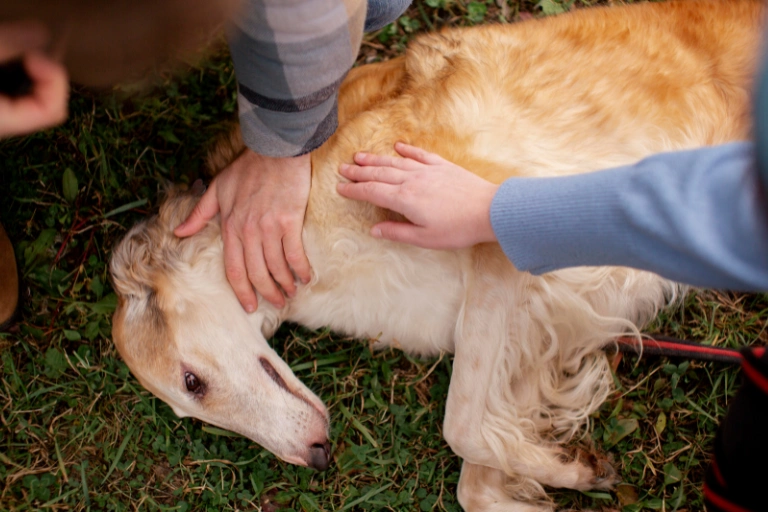
You may notice your pet sleeping more, hiding, avoiding stairs, refusing food, or reacting differently to touch. Some pets stop greeting family members at the door. Others suddenly cling to their owners or seem anxious for no clear reason.
Cats are especially skilled at hiding pain. A cat in discomfort may simply stop jumping onto furniture, spend more time alone, or change litter box habits. Dogs may limp, pant excessively, pace at night, or hesitate before lying down.
These subtle changes can easily look like “getting older” or “having a bad day.” However, behavior changes are often one of the earliest pet pain signs owners can detect.
Pain can develop gradually or appear suddenly. Even moderate discomfort can affect eating, sleeping, breathing, and overall quality of life. Paying attention to small routine changes helps owners recognize problems earlier.
What This Could Mean
Pain in pets can come from many different conditions. Some are minor and temporary, while others require urgent medical attention.
In dogs and cats, pain commonly affects the:
- Muscles and joints
- Digestive system
- Teeth and mouth
- Spine and nerves
- Urinary tract
- Internal organs
For example, arthritis can cause stiffness and slower movement. Dental disease may lead to drooling, pawing at the mouth, or refusing hard food. Gastrointestinal pain may cause vomiting, restlessness, or a hunched posture.
Some pets experience pain after injuries that owners never witnessed. Others develop discomfort from infections, inflammation, or internal disease.
Certain medical conditions can also affect behavior indirectly. A pet with breathing difficulty may seem anxious or restless. A pet with abdominal pain may avoid interaction or refuse food.
Cats sometimes show pain through grooming changes. Overgrooming one area or stopping grooming completely can both indicate discomfort. Dogs may lick painful joints repeatedly or react when touched.
Because pets cannot explain what hurts, veterinarians often rely heavily on behavior patterns and physical examination findings to identify pain sources.
Not every behavior change means an emergency. Still, persistent or worsening symptoms should never be ignored.
Normal vs Emergency Signs
Many owners ask, “Is this an emergency?”
The answer depends on the severity, duration, and combination of symptoms.
Mild temporary discomfort may improve with rest and monitoring. For example, a pet that briefly avoids jumping after intense play may recover normally within a day.
However, some pet pain signs suggest a more serious problem.
Concerning signs include:
- Crying out repeatedly
- Sudden aggression when touched
- Heavy panting without exercise
- Hiding for long periods
- Refusing food or water
- Difficulty walking
- Trembling or shaking
- Swollen abdomen
- Vomiting combined with lethargy
- Trouble breathing
- Collapse or weakness
Pain that interferes with normal daily activities should always be taken seriously.
Cats deserve special attention because they often hide illness until conditions become advanced. A quiet or withdrawn cat may actually be experiencing significant pain.
Behavior changes that last longer than 24 hours also deserve veterinary evaluation, especially if symptoms worsen over time.
If you are unsure whether symptoms are serious, it is safer to have your pet evaluated early. Early treatment often improves comfort and outcomes.
When to Go to the ER
Because this is considered a moderate emergency concern, some cases can wait for a primary veterinarian, while others should be seen immediately.
You should seek urgent veterinary care if your pet shows:
- Severe lethargy
- Difficulty breathing
- Persistent vomiting
- Sudden inability to walk
- Signs of severe abdominal pain
- Crying that will not stop
- Collapse
- Pale gums
- Rapid decline in behavior
A pet that suddenly becomes extremely withdrawn or unresponsive may also need emergency evaluation.
Moderate pain can become serious quickly if the underlying cause progresses. Conditions like internal bleeding, urinary obstruction, respiratory distress, or severe gastrointestinal disease may initially appear as only subtle behavior changes.
Cats that stop eating for more than a day are at particular risk for complications.
If symptoms appear mild but continue worsening, do not wait too long to seek care.
How Emergency Teams Stabilize These Cases
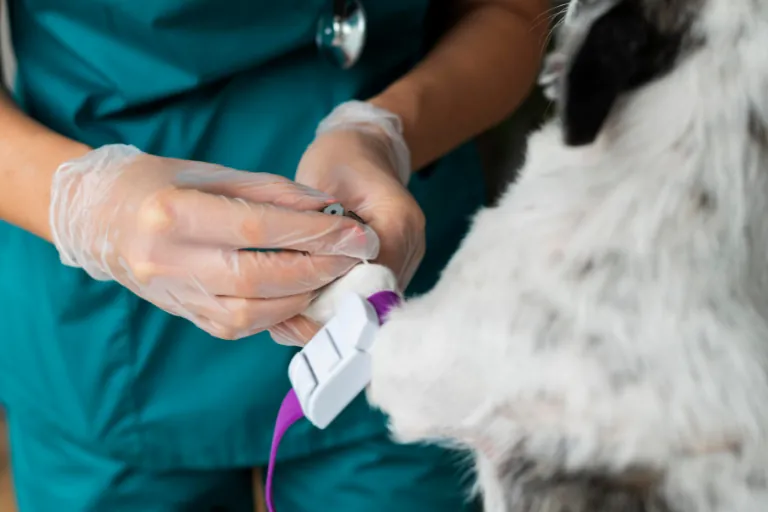
When pets arrive at an emergency hospital with suspected pain, veterinary teams first focus on stabilization and comfort.
The initial evaluation often includes:
- Vital sign monitoring
- Pain assessment
- Physical examination
- Oxygen support if breathing is affected
- Bloodwork
- X-rays or ultrasound imaging
- IV fluids if dehydration or shock is present
Pain management is tailored carefully to the pet’s condition. Emergency teams also monitor heart rate, breathing, temperature, and circulation closely.
In some cases, pets need advanced imaging or hospitalization for ongoing observation. Others may require surgery if veterinarians identify internal injuries, blockages, or life-threatening conditions.
Emergency hospitals also work to reduce stress during treatment. Calm handling, warming support, and continuous monitoring help pets feel safer while teams identify the underlying problem.
Understanding what happens during an ER visit can help owners feel more prepared during stressful situations.
Special Considerations in Florida and Texas
Environmental conditions in Florida and Texas can sometimes make pain-related conditions more complicated.
In Florida, high humidity and heat can worsen breathing problems and dehydration. Outdoor pets may also encounter toxic plants, marine toxins, or heat-related illnesses that initially appear as lethargy or behavior changes.
Water exposure can also increase risks for infections or toxin exposure in some areas.
In urban areas of Texas, extreme heat remains a major concern for both dogs and cats. Hot pavement can injure paw pads, while prolonged heat exposure may lead to exhaustion, dehydration, and internal stress.
Busy city environments can also increase the risk of trauma, accidental toxin exposure, or stress-related illness in pets.
Because symptoms often begin subtly, owners in both states should pay close attention to sudden routine changes during warmer months.
FAQ
How do I know if my pet’s pain is an emergency?
Pain becomes more concerning when it affects breathing, walking, eating, or normal responsiveness. Sudden severe symptoms or rapidly worsening behavior should be evaluated immediately.
Can behavior changes be the only sign of pain?
Yes. Many dogs and especially cats hide pain well. Changes in sleep, appetite, movement, grooming, or social interaction may be the earliest warning signs.
How can I help prevent pain-related emergencies?
Routine veterinary care, weight management, dental care, and early evaluation of unusual behavior changes can help detect problems before they become severe.
If you’re in Florida or Texas and you’re unsure whether your pet’s symptoms require urgent care, our Greenlight Pet ER teams are available 24/7. When in doubt, it’s always safer to have your pet evaluated.