
What You’re Seeing at Home
Every pet owner faces this moment: something feels off. Your dog is quieter than usual. Your cat is hiding. You start searching for pet emergency signs and asking yourself if this can wait.
Sometimes the changes are subtle. A skipped meal. Mild vomiting. Limping after play. Other times, the shift is sudden — heavy panting, collapse, or a swollen belly.
Common pet emergency signs include:
- Difficulty breathing
- Repeated vomiting or diarrhea
- Bloated abdomen
- Sudden weakness
- Pale gums
- Seizures
- Uncontrolled bleeding
- Collapse
Dogs and cats often hide discomfort. That means visible symptoms may appear later in the process. This can become serious quickly.
If your pet’s behavior changes suddenly or dramatically, it deserves attention.
What This Could Mean
Pet emergency signs often relate to one of four critical systems: respiratory, gastrointestinal, neurological, or circulatory.
Respiratory emergencies involve breathing. Labored breathing, open-mouth breathing in cats, or extended neck posture can signal distress. Oxygen levels may be dropping.
Gastrointestinal emergencies include obstruction or bloat (GDV). A tight abdomen, pacing, drooling, or unproductive retching are warning signs.
Neurological emergencies involve the brain or spinal cord. Seizures, disorientation, or sudden inability to stand require urgent care.
Circulatory emergencies affect blood flow. Pale gums, weakness, or collapse may indicate shock. Shock means the body is not delivering enough oxygen to organs.
Toxicity, trauma, and heat-related illness can also produce rapid decline. In warm climates, dehydration worsens symptoms faster.
You may not know the exact cause. However, recognizing serious patterns allows you to act quickly.
Early treatment improves outcomes.
Normal vs Emergency Signs
It is normal to question whether something is serious. So how do you know?
Mild vomiting once, with normal energy afterward, may not require ER care. A small limp that improves within hours may be monitored.
But ask yourself: Is this an emergency?
Emergency-level pet emergency signs include:
- Breathing difficulty
- Repeated vomiting within hours
- Distended or painful abdomen
- Inability to stand
- Seizures lasting more than a minute
- Collapse
- Gums that appear white or gray
Pain that worsens instead of improving is not normal. Breathing changes are always urgent. Collapse is always an emergency.
If your instinct says something is wrong, trust it.
When to Go to the ER
Emergency Level: High
If your pet shows severe pet emergency signs, this is not something to monitor at home.
Go to the ER immediately if:
- Your pet struggles to breathe
- The abdomen appears swollen or firm
- There is uncontrolled bleeding
- Your pet collapses or becomes unresponsive
- Seizures occur
- You suspect toxin exposure
Waiting can allow conditions like bloat, obstruction, internal bleeding, or shock to progress. These conditions require rapid stabilization.
At Greenlight Pet ER, our teams provide advanced monitoring, oxygen therapy, and critical stabilization 24/7.
If you’re unsure, it’s safer to have your pet evaluated.
How Emergency Teams Stabilize These Cases
Emergency care begins with triage. We quickly assess airway, breathing, and circulation.
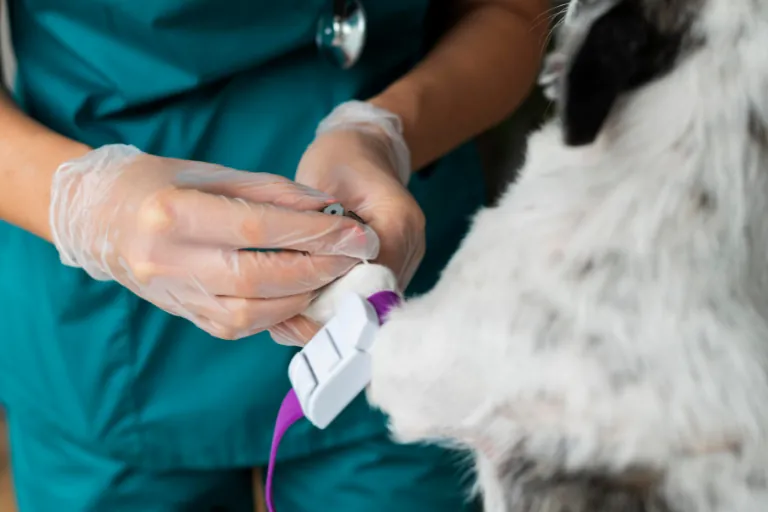
If breathing is compromised, oxygen therapy is provided immediately. IV access allows fluid support to stabilize blood pressure.
Monitoring equipment tracks heart rate, oxygen levels, and circulation continuously. Diagnostic imaging helps identify internal problems.
If surgery is necessary — such as for bloat or obstruction — intervention is performed under advanced monitoring. If toxin exposure is suspected, supportive care protects organ function.
The focus is stabilization first, diagnosis second, and clear communication throughout.
Acting early often reduces complications and shortens recovery time.
Special Considerations in Florida and Texas
Environmental risks in Florida and Texas increase emergency cases year-round.
In Florida, heat and humidity contribute to dehydration and heat-related illness. Outdoor water exposure increases risk of toxins and hidden injuries.
In Texas, extreme heat can rapidly worsen shock or respiratory stress. Rural environments increase risk of trauma and snake bites.
Because high temperatures accelerate fluid loss and cardiovascular strain, symptoms can escalate faster in these climates.
FAQ Section
How do I know if my pet’s symptoms are an emergency?
If breathing changes, collapse, repeated vomiting, seizures, or pale gums occur, seek immediate care.
Is vomiting always an emergency?
One mild episode may not be. However, repeated vomiting or vomiting with weakness requires urgent evaluation.
How can I reduce emergency risks?
Supervise outdoor activity, avoid toxin exposure, prevent access to small objects, and monitor pets closely during extreme heat.
Knowing pet emergency signs gives you clarity during stressful moments. While not every symptom requires ER care, severe or rapidly worsening changes should never be ignored.
This can become serious quickly. Early treatment improves outcomes.
If you’re in Florida or Texas and you’re unsure whether your pet’s symptoms require urgent care, our Greenlight Pet ER teams are available 24/7. When in doubt, it’s always safer to have your pet evaluated.