

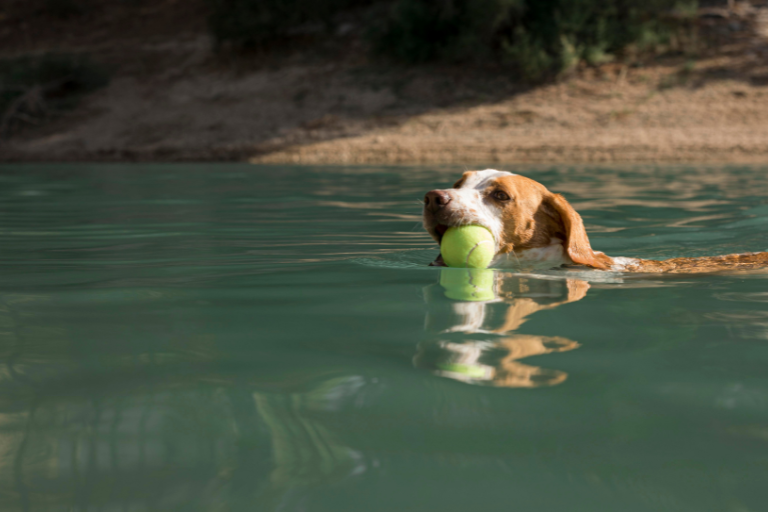
A day spent outdoors with your dog near a lake, pond, river, canal, or reservoir can be a great way to enjoy the warmer months. Unfortunately, these environments can sometimes hide a serious danger. Blue-green algae poisoning is one of the most severe toxic exposures dogs can experience, and it often develops with little warning.
Unlike many toxins that require significant ingestion to cause illness, blue-green algae toxins can affect dogs after surprisingly small exposures. A dog may become sick after drinking contaminated water, swimming through an algae bloom, retrieving a toy from affected water, or simply licking algae-contaminated fur after leaving the water.
Because symptoms can progress rapidly and become life-threatening within hours, every dog owner should understand the risks, recognize the warning signs, and know when emergency veterinary care is needed.
What Is Blue-Green Algae?
Despite its name, blue-green algae is not actually algae. It is a type of bacteria known as cyanobacteria. Under the right environmental conditions, cyanobacteria can multiply rapidly and form what is known as an algae bloom.
These blooms are most common in warm, slow-moving, or stagnant freshwater environments. They may appear as:
- Bright green surface scum
- Blue-green discoloration
- Thick mats floating on the water
- Paint-like streaks on the surface
- Green foam or sludge near shorelines
However, one of the biggest dangers is that contaminated water does not always look suspicious. Some toxic blooms are difficult to see, and toxins may remain in the water even after a visible bloom disappears.
This unpredictability makes prevention and awareness especially important.
Blue-green algae toxins can also affect people and other animals. Skin contact, inhalation of aerosolized droplets, or ingestion of contaminated water can cause illness in humans, and other pets in the household may be exposed by contact with a contaminated dog. Owners should wear gloves when rinsing an exposed dog, wash their own hands and clothing thoroughly afterward, and keep other pets away until the exposed dog has been fully bathed.
What You’re Seeing at Home
Dogs exposed to toxic algae often appear completely normal immediately after exposure.
In many cases, symptoms begin within minutes to a few hours. Owners may first notice gastrointestinal signs such as:
- Vomiting
- Excessive drooling
- Diarrhea
- Loss of appetite
- Nausea
- Abdominal discomfort
Some dogs become unusually tired or reluctant to move. Others may seem restless, anxious, or uncomfortable.
As toxin effects spread through the body, symptoms can become much more severe. Dogs may begin stumbling, walking abnormally, or appearing confused. Weakness can progress rapidly, making it difficult for them to stand or walk.
Neurological symptoms are particularly concerning and may include:
- Muscle twitching
- Tremors
- Facial twitching
- Loss of coordination
- Seizures
- Collapse
In severe cases, breathing difficulties may develop. Some dogs become unconscious or experience respiratory failure.
Because progression can be extremely rapid, any illness occurring shortly after exposure to natural water should be treated seriously.
What This Could Mean
The severity of blue-green algae poisoning depends largely on the type of toxin involved.
Certain cyanobacteria produce toxins called hepatotoxins, which primarily attack the liver. These toxins can cause extensive liver damage in a short period of time. Dogs exposed to hepatotoxins may develop vomiting, diarrhea, weakness, abdominal pain, bleeding abnormalities, and signs of liver failure.
Other cyanobacteria produce neurotoxins, which affect the nervous system. These toxins interfere with normal nerve function and can cause tremors, paralysis, seizures, and respiratory distress.
Some blooms may contain multiple toxins simultaneously, creating a combination of neurological and systemic symptoms.
One reason blue-green algae poisoning is so dangerous is that there is no way for pet owners to determine whether a bloom is toxic simply by looking at it. Water that appears harmless may still contain dangerous levels of cyanobacterial toxins.
One of the most important things for pet owners to understand is that there is no specific antidote for blue-green algae poisoning. Treatment is entirely supportive, which is why early intervention is so critical. One of the toxins produced by these bacteria can cause death in as little as 30 minutes after exposure, while others cause progressive liver damage over the following hours. Once symptoms appear, the window for effective treatment is extremely narrow.
Why Dogs Are Especially Vulnerable
Dogs are particularly susceptible to blue-green algae poisoning for several reasons.
Unlike people, dogs often drink directly from lakes, ponds, and puddles while exploring. They may also intentionally seek out stagnant water during hot weather.
Many dogs enjoy swimming and retrieving toys from natural water sources. During these activities, they frequently swallow small amounts of water without owners noticing.
After swimming, dogs instinctively groom themselves. This behavior can lead to additional toxin ingestion if algae particles remain trapped in their fur.
Because dogs are naturally curious and often exposed to outdoor water sources, they face a much higher risk of accidental exposure than many other animals.
Normal vs. Emergency Signs
After a day of swimming or outdoor activity, mild fatigue may be completely normal.
However, pet owners often ask, “Is this an emergency?”
When blue-green algae exposure is possible, it is safest to assume that any abnormal symptom warrants immediate attention.
Signs that require urgent veterinary evaluation include:
- Vomiting
- Excessive drooling
- Diarrhea
- Sudden weakness
- Difficulty standing
- Stumbling or loss of coordination
- Tremors
- Muscle twitching
- Seizures
- Difficulty breathing
- Pale gums
- Collapse
- Unresponsiveness
Unlike many mild gastrointestinal illnesses, blue-green algae poisoning can deteriorate rapidly. A dog that appears only mildly sick initially may become critically ill within a short period of time.
When to Go to the ER
This is a high-risk veterinary emergency.
If your dog has been exposed to potentially contaminated water and develops any symptoms, immediate veterinary evaluation is recommended.
This is not something to monitor at home.
There is no reliable way to predict how severe toxin exposure may become. Waiting for symptoms to worsen can significantly reduce treatment options and increase the risk of serious complications.
Even dogs that initially appear stable may experience rapid progression of liver damage, neurological dysfunction, or respiratory compromise.
Prompt veterinary care allows emergency teams to begin supportive treatment before irreversible damage occurs.
If exposure is suspected, it is always safer to seek emergency evaluation rather than wait.
What to Do on the Way to the ER
If you suspect your dog has been exposed to blue-green algae, take these steps while heading to the emergency hospital:
- Remove your dog from the water immediately and prevent any further contact with the contaminated area.
- Rinse your dog thoroughly with clean fresh water to remove algae from the fur and skin. Wear gloves and avoid contact with the contaminated water yourself.
- Prevent your dog from grooming or licking their fur, as this can lead to additional toxin ingestion. A basket muzzle or a wrapped towel can help.
- Do not induce vomiting unless specifically directed by a veterinarian.
- Call the ER on your way so the team can prepare for your arrival.
Speed matters more than perfect decontamination — do what you can quickly, but do not delay transport.
How Emergency Teams Stabilize These Cases
When a dog arrives with suspected blue-green algae poisoning, emergency teams focus on rapid assessment and stabilization.
Veterinarians first evaluate:
- Breathing and oxygen levels
- Heart rate and circulation
- Neurological status
- Hydration
- Body temperature
- Blood pressure
Because toxin exposure can affect multiple organs simultaneously, comprehensive monitoring is often necessary.
Treatment may include:
- Intravenous fluids to support circulation and organ function
- Oxygen therapy when breathing is compromised
- Medications to control seizures or tremors
- Bloodwork to assess liver function and systemic effects
- Monitoring for cardiovascular complications
- Treatment for shock if present
- Hospitalization for observation and supportive care
Some patients require intensive monitoring for several days, particularly when liver injury or severe neurological symptoms are present.
The primary goals are stabilizing the patient, minimizing toxin-related damage, and supporting affected organs during recovery.
Potential Long-Term Effects
The outcome of blue-green algae poisoning varies depending on the amount of toxin ingested, the type of toxin involved, and how quickly treatment begins.
Some dogs recover fully with prompt intervention.
Others may experience complications related to liver injury, neurological damage, or prolonged hospitalization.
Severe exposures can result in permanent organ damage or death despite aggressive treatment.
This is why early recognition and immediate veterinary care are so important.
How to Prevent Blue-Green Algae Poisoning
Prevention remains the most effective way to protect dogs from toxic algae exposure.
Consider the following safety measures:
- Avoid allowing dogs to drink from stagnant water sources.
- Keep dogs on a leash near unfamiliar lakes or ponds.
- Observe local water advisories before visiting recreational areas.
- Avoid swimming in water with visible scum, discoloration, or unusual odors.
- Bring fresh drinking water during outdoor activities.
- Rinse your dog thoroughly after swimming in natural water.
- Prevent your dog from licking algae-covered fur.
- Avoid shoreline areas where algae accumulation occurs.
If you are uncertain whether a body of water is safe, it is best to avoid it altogether.
Special Considerations in Florida and Texas
Both Florida and Texas experience environmental conditions that can increase the risk of blue-green algae blooms.
Florida
Florida’s warm climate, abundant freshwater systems, and frequent rainfall create ideal conditions for cyanobacterial growth. Lakes, retention ponds, canals, and slow-moving waterways may all be affected.
The state has a well-documented history of blue-green algae blooms in Lake Okeechobee, the Caloosahatchee River, the St. Lucie River, and many smaller lakes, canals, and retention ponds across Central and South Florida. Blooms can occur throughout much of the year but are especially common during warmer months.
Florida residents can report suspected algae blooms to the Florida Department of Environmental Protection (FDEP) through their online algal bloom reporting form or by calling the FDEP bloom reporting hotline. Reporting suspected blooms helps state agencies track water safety and post advisories that protect both pets and people.
Texas
Texas experiences prolonged periods of heat that can encourage algae growth in reservoirs, lakes, ponds, and recreational waterways.
Drought conditions followed by nutrient-rich runoff may further contribute to bloom development.
Because many dogs spend time outdoors year-round in both states, awareness of local water conditions is particularly important.
FAQ
How quickly does blue-green algae poisoning affect dogs?
Symptoms may appear within minutes to several hours after exposure. Severe neurological signs can develop very rapidly.
Can a dog get sick from just swimming in contaminated water?
Yes. Dogs may ingest toxins while swimming or later when licking contaminated fur.
Is blue-green algae always visible?
No. Some toxic blooms are obvious, while others are difficult to detect. Water can still contain toxins even when no visible bloom is present.
Can blue-green algae poisoning be fatal?
Yes. Unfortunately, severe exposures can be fatal, especially when treatment is delayed.
What should I do if my dog swims in suspicious water?
Remove your dog from the water immediately, rinse them thoroughly with clean water if possible, prevent grooming, and contact a veterinarian right away if any symptoms develop.
Are certain dogs at higher risk?
Any dog can be affected, but dogs that frequently swim, retrieve toys from water, hike near lakes, or drink from natural water sources may face greater exposure risk.
If you’re in Florida or Texas and you’re unsure whether your pet’s symptoms require urgent care, our Greenlight Pet ER teams are available 24/7. When in doubt, it’s always safer to have your pet evaluated.