What You’re Seeing at Home
Many pet owners wonder whether common over-the-counter medications are safe for dogs or cats. It often starts with a pet showing mild symptoms at home, limping, coughing, vomiting, anxiety, or signs of pain, and owners naturally want to help quickly.
However, using human medications for pets without veterinary guidance can become dangerous fast. Medications that are considered safe for people may cause severe toxicity in dogs and cats, even in small amounts.
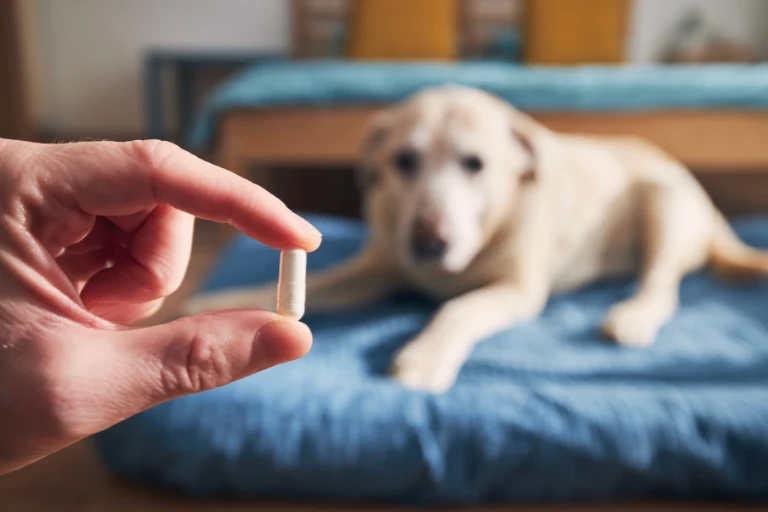
Some pets accidentally ingest pills dropped on the floor. Others receive medication intentionally because owners believe the dose is small enough to be safe. In many emergency cases, owners do not realize there is a problem until symptoms begin hours later.
Signs of medication toxicity can vary depending on the drug involved, but common symptoms include:
- Vomiting
- Tremors
- Excessive drooling
- Lethargy
- Loss of appetite
- Agitation
- Difficulty walking
- Breathing changes
- Seizures
Cats are especially sensitive to many medications because their bodies process drugs differently than humans and dogs.
Even products labeled “natural” or “mild” can create serious complications for pets.
What This Could Mean
Many common household medications can affect a pet’s liver, kidneys, nervous system, heart, or gastrointestinal tract.
Some of the most dangerous human medications for pets include:
- Ibuprofen
- Acetaminophen
- Naproxen
- ADHD medications
- Antidepressants
- Sleep aids
- Cold and flu medications
- Decongestants
- Certain vitamins and supplements
For example, ibuprofen can cause stomach ulcers, kidney failure, and internal bleeding in dogs and cats. Acetaminophen is especially dangerous for cats and can affect oxygen delivery in the blood, creating life-threatening complications.
Some medications impact the nervous system, leading to tremors, seizures, elevated heart rate, or dangerous body temperature changes.
Others may cause delayed symptoms. A pet can appear normal initially while internal organ damage develops silently over several hours.
This is one reason accidental medication exposure should never be dismissed simply because symptoms have not appeared yet.
In emergency medicine, early intervention often makes a major difference in recovery outcomes.
Normal vs Emergency Signs
Many owners ask, “Is this an emergency?”
When it comes to accidental ingestion or inappropriate use of human medications for pets, the safest assumption is yes.
This is not something to monitor at home.
Even medications that seem harmless can become toxic depending on:
- The pet’s size
- Species
- Age
- Existing medical conditions
- Amount consumed
- Timing of exposure
Emergency warning signs include:
- Vomiting repeatedly
- Tremors or shaking
- Collapse
- Difficulty breathing
- Pale or blue gums
- Seizures
- Severe lethargy
- Agitation or hyperactivity
- Unsteady walking
- Refusing food or water
However, pets do not always show symptoms immediately. Some toxic exposures cause delayed liver or kidney damage that becomes visible only after significant injury has already occurred.
Cats often hide symptoms until illness becomes advanced. A quiet or withdrawn cat after medication exposure should always be evaluated promptly.
If you know or suspect your pet consumed human medication, immediate veterinary guidance is important even before symptoms begin.
When to Go to the ER
Because this is considered a high-level emergency concern, accidental medication exposure should be treated urgently.
You should go to the ER immediately if:
- Your pet swallowed human medication
- You are unsure how much was consumed
- Symptoms have already started
- The medication was a pain reliever, antidepressant, stimulant, or cold medicine
- Your pet is very small, elderly, or medically fragile
This is not something to monitor at home.
Do not induce vomiting unless specifically instructed by a veterinary professional. Some medications can create additional injury if vomited back up.
Bring the medication packaging or bottle with you if possible. This helps emergency teams identify ingredients quickly and begin targeted treatment sooner.
Early treatment improves outcomes significantly in many toxicity cases.
How Emergency Teams Stabilize These Cases
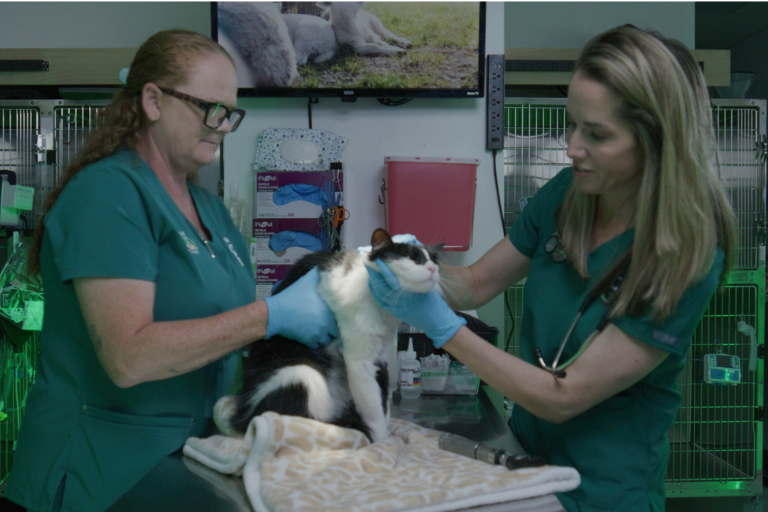
When pets arrive at an emergency hospital for suspected medication toxicity, veterinary teams first assess airway, breathing, circulation, and neurological status.
Treatment depends on the medication involved, timing, and severity of symptoms.
Emergency stabilization may include:
- Oxygen therapy
- IV fluids
- Continuous heart monitoring
- Blood pressure monitoring
- Bloodwork
- Toxicity screening
- Medications to control tremors or seizures
- Gastrointestinal protectants
- Activated charcoal in certain situations
Some pets require hospitalization for ongoing monitoring because organ damage can develop gradually over time.
In severe cases, advanced supportive care may include temperature regulation, intensive monitoring, or emergency procedures to stabilize circulation and breathing.
Emergency veterinarians also monitor liver and kidney function closely after toxic exposures.
The goal is not only to treat symptoms, but also to reduce long-term complications whenever possible.
Special Considerations in Florida and Texas
In Florida and Texas, year-round warm weather often increases the risk of accidental exposures because pets spend more time around travel bags, purses, outdoor gatherings, and household products.
In Florida, pets may encounter medications during boating trips, beach outings, or tourist travel activities where pill containers are more accessible.
Humidity and heat can also worsen dehydration in pets experiencing vomiting or toxicity symptoms.
In urban areas of Texas, busy households, apartment living, and frequent human medication use can increase accidental ingestion risks.
Some pets ingest medications dropped on sidewalks, left in backpacks, or stored improperly in shared living spaces.
Because heat can intensify stress on the organs during toxic exposure, rapid veterinary evaluation becomes even more important in both states.
FAQ
What human medications are most dangerous for pets?
Pain relievers like ibuprofen and acetaminophen are among the most dangerous, along with antidepressants, ADHD medications, and cold medicines.
Can a small amount of human medicine hurt my pet?
Yes. Even a single pill can cause serious toxicity in dogs and cats, especially smaller pets and cats.
How can I prevent accidental medication poisoning?
Store medications securely, avoid leaving pills loose in bags or counters, and never give human medication without veterinary guidance.
If you’re in Florida or Texas and you’re unsure whether your pet’s symptoms require urgent care, our Greenlight Pet ER teams are available 24/7. When in doubt, it’s always safer to have your pet evaluated.Greenlight Pet ER teams are available 24/7. When in doubt, it’s always safer to have your pet evaluated.