
What You’re Seeing at Home
Puppies are resilient little animals, but they are also fragile in ways that adult dogs are not. Their immune systems are still developing, their bodies have limited reserves, and they can decline faster than you might expect. If something seems off, it is worth taking seriously.
Common puppy emergencies often start with symptoms that seem minor: loose stool, a warm nose, a puppy that just does not want to play. But in a young dog, these signs can escalate quickly. Diarrhea that lasts more than a few hours can cause dehydration. A fever that seems mild can indicate a serious infection. Lethargy in a puppy, one who is normally bouncy and curious, is almost always a reason to act.
Other warning signs include vomiting, loss of appetite, pale or white gums, labored breathing, a swollen belly, or crying that seems inconsolable. Any of these, especially in combination, deserve prompt attention.
What This Could Mean
Puppies face a unique set of health threats that differ from adult dogs, and several conditions common in puppies can become life-threatening without fast treatment.
Parvovirus is one of the most serious. It attacks the gastrointestinal tract and immune system, causing severe vomiting and bloody diarrhea. It spreads easily and is often fatal without intensive veterinary care. Puppies that have not completed their vaccine series are especially vulnerable.
Hypoglycemia, or low blood sugar, is another common puppy emergency, particularly in toy breeds. A puppy’s body has very little energy reserve. Missing a meal, stress, or illness can cause blood sugar to crash, leading to weakness, trembling, and seizures.
Intestinal parasites, respiratory infections, and congenital conditions can also present suddenly and seriously in young dogs. Even something as seemingly simple as diarrhea can lead to dangerous dehydration in a puppy within hours.
The bottom line is that what might be a minor inconvenience in an adult dog can be a genuine emergency in a puppy.
Normal vs. Emergency Signs
Puppies have good days and off days like anyone else. Here is how to tell the difference between normal variation and something that needs immediate care.
Signs That Are Common and Can Be Briefly Monitored
- One or two loose stools with no blood, no vomiting, and normal energy
- Mild sneezing without discharge or breathing difficulty
- Sleeping more than usual after high activity
Signs That Require Emergency Care Now
- Diarrhea that is bloody, black, or has continued for more than 6 to 8 hours
- Vomiting more than twice, or vomiting alongside diarrhea
- Fever above 103°F or temperature below 99°F
- Pale, white, or bluish gums
- Crying, whimpering, or signs of pain
- Trembling, seizures, or collapse
- Refusal to eat for more than 12 hours in a young puppy
- Distended or hard belly
- Labored or noisy breathing
⚠️ Is this an emergency? Puppies dehydrate and crash faster than adult dogs. If your puppy has multiple symptoms, or even one serious one, do not wait. Early care saves lives.
When to Go to the ER
Puppy emergencies are moderate-to-high in urgency by default. Because their bodies are small and their reserves are limited, the window between something seems off and critical condition can be very short.
If your puppy is vomiting and has diarrhea at the same time, go to the ER. If she has a fever and is lethargic, go to the ER. If her gums look pale or she collapses, go immediately. If you are simply unsure and something feels wrong, it is always safer to have her evaluated.
Trust your instincts. You know your puppy. When something seems wrong enough to worry you, that is enough reason to seek care.
How Emergency Teams Stabilize These Cases
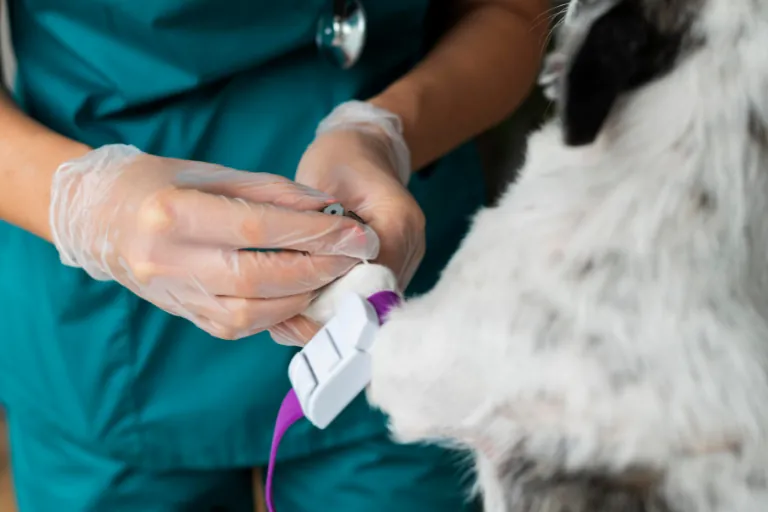
When a puppy arrives at Greenlight Pet ER, the team moves quickly. Puppies are assessed for dehydration, temperature, blood sugar, and overall neurological status right away.
Blood work and a physical exam help identify the underlying cause. If parvovirus is suspected, a rapid in-house test is typically run immediately. IV fluids are often started early to address dehydration and support organ function. If blood sugar is low, treatment begins right away.
For conditions like parvovirus, intensive inpatient care may be needed, including fluids, anti-nausea medication, nutritional support, and close monitoring over several days. For other causes of diarrhea or fever, treatment may be simpler and faster.
The goal is always to stabilize the puppy, identify the cause, and support her body while it recovers. Advanced monitoring equipment and around-the-clock care make a significant difference in outcomes for the youngest patients.
Special Considerations in Florida and Texas
Florida and Texas are warm, outdoor-friendly states, which is great for dog owners, but it also comes with specific risks for puppies.
In Florida, the hot and humid climate creates ideal conditions for intestinal parasites such as hookworms and roundworms, which are very common in young dogs. Puppies that spend time in grass, soil, or water have a higher risk of exposure. Heat is also a significant concern, since puppies are less efficient at regulating their body temperature and can overheat more quickly.
In Texas, the wide range of environments, from urban areas to rural regions and ranches, exposes puppies to different types of risks. In urban settings, there is greater exposure to toxins and a higher density of dogs, which can increase the spread of diseases such as parvovirus. In rural areas, puppies may encounter hazards like snakes, untreated water, parasites, and agricultural chemicals. Additionally, the intense heat in many parts of the state increases the risk of dehydration and overheating.
In both states, keeping your puppy’s vaccination schedule up to date is one of the most important ways to protect against serious and potentially life-threatening illnesses.
Frequently Asked Questions
When is diarrhea in a puppy an emergency? Diarrhea becomes an emergency when it contains blood, has lasted more than 6 to 8 hours, is accompanied by vomiting or lethargy, or if the puppy is very young, under 12 weeks, or unvaccinated. Dehydration sets in quickly in puppies, and what seems mild can become critical fast.
How do I know if my puppy has a fever? A normal puppy temperature ranges from about 99.5°F to 102.5°F. You can check with a rectal thermometer, but even without one, signs of fever include lethargy, shivering, loss of appetite, warm and dry nose, and red eyes. If you suspect a fever, have your puppy evaluated rather than guessing.
What vaccinations protect against the most serious puppy emergencies? The core puppy vaccine series, including protection against parvovirus, distemper, and adenovirus, is essential. Puppies should receive a series of vaccines starting at 6 to 8 weeks of age, with boosters every 3 to 4 weeks until 16 weeks. Until the series is complete, avoid high-traffic dog areas like dog parks. Talk to your vet about the right schedule for your puppy.
💚 If you’re in Florida or Texas and you’re unsure whether your pet’s symptoms require urgent care, our Greenlight Pet ER teams are available 24/7. When in doubt, it’s always safer to have your pet evaluated.