What You’re Seeing at Home
As the seasons change, many pet owners start thinking about spring pet safety and how to protect their home and yard. Warmer weather brings more outdoor activity, but it also increases exposure to hidden risks.
You may notice your dog or cat scratching more than usual, developing skin redness, or showing signs of irritation after spending time outside. Some pets develop swelling, especially around the face or paws, after contact with plants or insect bites.
Digestive symptoms are also common. Vomiting or diarrhea can occur after pets ingest something they should not, such as grass treated with chemicals or toxic plants.
In more concerning cases, pets may show difficulty breathing or sudden behavior changes like lethargy, restlessness, or hiding. These signs can appear quickly and may indicate a more serious issue related to environmental exposure.
Recognizing these early signs is an important part of spring pet safety, especially in environments where indoor and outdoor risks overlap.
What This Could Mean
Spring introduces a variety of new environmental factors that can affect your pet’s health. Many of these risks are found right in your home or yard.
Plants, fertilizers, pesticides, and cleaning products are common sources of exposure. When pets come into contact with or ingest these substances, they may develop skin reactions, gastrointestinal upset, or more serious complications.
Skin symptoms like itching and redness often indicate irritation or an allergic response. Swelling can occur when the immune system reacts to an allergen, such as pollen, insect venom, or certain plants.
Vomiting and diarrhea usually involve the gastrointestinal system. These signs may result from ingesting something toxic or irritating. While some cases are mild, others can lead to dehydration or signal a more serious problem.
Difficulty breathing is more urgent. It may indicate airway swelling, an allergic reaction, or exposure to airborne irritants. Behavior changes, such as lethargy or agitation, often reflect discomfort or underlying illness.
Understanding these responses helps explain why spring pet safety is not only about prevention, but also about recognizing when something is wrong.
Normal vs Emergency Signs
It is common to wonder, “Is this an emergency?”
Mild symptoms, such as brief itching or a single episode of vomiting, may not always require immediate care. However, in the context of spring pet safety, symptoms can escalate quickly depending on the cause.
More serious warning signs include:
- Persistent vomiting or diarrhea
- Noticeable swelling, especially on the face or throat
- Difficulty breathing or rapid breathing
- Severe lethargy or weakness
- Sudden behavior changes
- Signs of pain or distress
The key difference is progression. If symptoms are worsening, affecting multiple systems, or not improving, the situation can become serious quickly.
When asking if this is an emergency, consider how fast the symptoms appeared and whether your pet seems stable or declining.
When to Go to the ER
This is a high emergency situation.
If your pet shows concerning symptoms related to spring pet safety, this is not something to monitor at home. Immediate evaluation at Greenlight Pet ER is strongly recommended.
You should go to Greenlight Pet ER right away if your pet:
- Has difficulty breathing
- Develops facial or throat swelling
- Has repeated vomiting or diarrhea
- Becomes weak, collapses, or is unresponsive
- Shows sudden or severe behavior changes
Environmental exposures can affect pets quickly, and early treatment improves outcomes. Waiting may allow the condition to worsen or become harder to treat.If you are unsure, it is always safer to have your pet evaluated at Greenlight Pet ER.
How Emergency Teams Stabilize These Cases
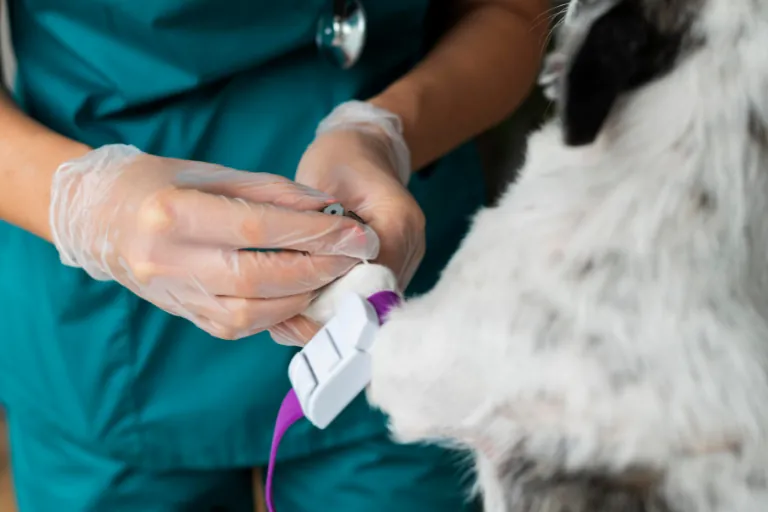
At Greenlight Pet ER, care begins with a rapid assessment of your pet’s condition. The team evaluates breathing, circulation, and neurological status to determine the level of urgency.
If breathing is affected, oxygen therapy may be used to support the lungs and ensure proper oxygen delivery. This is especially important in cases involving allergic reactions or airway irritation.
Intravenous fluids help maintain hydration, support circulation, and assist the body in recovering from toxin exposure or gastrointestinal distress.
Monitoring equipment tracks vital signs continuously, allowing the team to respond quickly to any changes. Diagnostic tools such as bloodwork or imaging may be used to identify underlying causes.
Each case is managed based on the pet’s symptoms and exposure history, with a focus on stabilization and preventing further complications.
Special Considerations in Florida and Texas
In Florida and Texas, spring pet safety requires extra attention due to climate and environmental factors.
Florida’s heat and humidity increase exposure to insects, tropical plants, and water related toxins. Pets often spend more time outdoors, which raises the risk of contact with harmful substances.
In Texas, rising temperatures and outdoor environments can expose pets to pesticides and other yard chemicals. These conditions can also intensify the effects of dehydration or toxin exposure.
Both states have environments where indoor and outdoor risks overlap, especially in modern homes with landscaped yards and shared spaces. This makes prevention and early recognition essential.
FAQ
Is spring more dangerous for pets?
Spring increases exposure to plants, insects, and chemicals. If symptoms appear, evaluation at Greenlight Pet ER may be necessary.
What symptoms should I watch for in spring?
Watch for itching, swelling, vomiting, diarrhea, breathing changes, and behavior changes. These can signal a problem related to spring pet safety.
How can I make my home and yard safer for pets?
Use pet safe products, avoid toxic plants, and supervise outdoor time. Prevention is a key part of spring pet safety.
If you’re in Florida or Texas and you’re unsure whether your pet’s symptoms require urgent care, the teams at Greenlight Pet ER are available 24/7. When in doubt, it’s always safer to have your pet evaluated at Greenlight Pet ER.