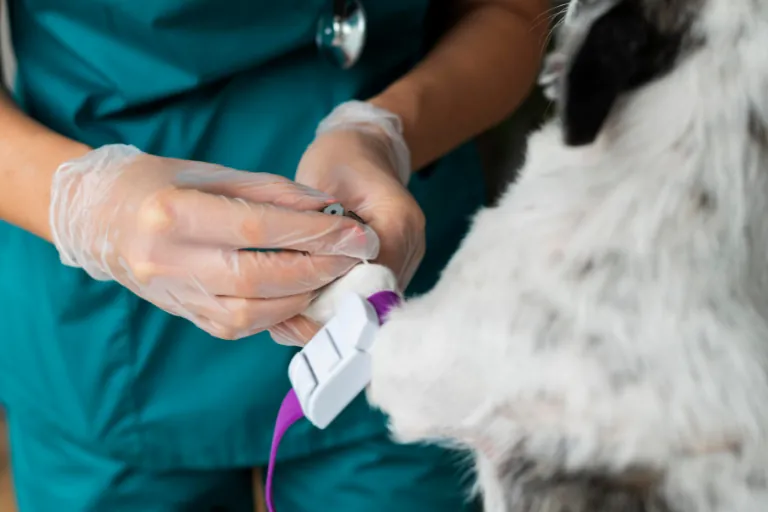

Dental disease is one of the most common medical conditions affecting both dogs and cats. In fact, most pets show signs of periodontal disease by the age of three. Many owners don’t realize there’s a problem until their pet is already in pain.
The good news is that dental disease is largely preventable with consistent care and regular veterinary evaluations.
If you live in Florida or Texas, where pets often enjoy active outdoor lifestyles, maintaining oral health should be part of your preventive care routine
Why Dental Disease Is a Serious Health Concern
EDental disease begins with plaque buildup on the teeth. If plaque is not removed, it hardens into tartar. Over time, this leads to gingivitis (gum inflammation) and eventually periodontal disease.
Advanced dental disease can cause:
- Chronic oral pain
- Loose or missing teeth
- Gum infections
- Bone loss
- Bacteria entering the bloodstream
When bacteria spread, they can affect organs such as the heart, liver, and kidneys. That’s why dental care is about more than fresh breath — it protects your pet’s overall health.
Brush Your Pet’s Teeth Consistently
Brushing is the most effective way to prevent plaque buildup.
Follow these guidelines:
- Use toothpaste made specifically for pets
- Never use human toothpaste
- Use a soft toothbrush or finger brush
- Start slowly and reward cooperation
- Aim for daily brushing (at least 3 times per week if daily isn’t possible)
Starting dental care early in puppies and kittens makes long-term prevention much easier.
Use Veterinary-Recommended Dental Chews and Diets
Dental chews and prescription dental diets can help reduce plaque between brushings.
When choosing products:
- Look for veterinarian-approved options
- Select the right size for your pet
- Supervise chewing sessions
Remember, chews help support dental care, but they do not replace brushing or professional cleanings.
Schedule Annual Veterinary Dental Exams with you primary doctor
Even with great home care, professional evaluations are essential.
A veterinary dental exam may include:
- Full oral assessment
- Dental X-rays
- Professional cleaning under anesthesia
- Treatment of damaged or infected teeth
Small dog breeds are especially prone to dental disease and may need more frequent monitoring.
For pet owners in Florida and Texas, routine wellness visits are key to catching dental problems early — before they become painful or costly.
Know the Warning Signs of Dental Disease
Early detection makes treatment easier and less invasive.
Contact your veterinarian if you notice:
- Persistent bad breath
- Red or bleeding gums
- Drooling more than usual
- Difficulty chewing
- Decreased appetite
- Pawing at the mouth
- Facial swelling
Oral infections can progress quickly. What starts as mild gum inflammation can develop into a painful condition requiring advanced treatment.
Special Considerations in Florida and Texas
Environmental factors can play a role in oral health.
In Florida and Texas:
- Heat and humidity may increase bacterial growth
- Outdoor exposure can lead to chewing debris
- Heat can mask appetite changes caused by oral discomfort
Routine monitoring and preventive care are especially important in warm climates where pets stay active year-round.tates.
Prevention Protects More Than Just Their Smile
Dental disease is progressive, but it is also largely preventable.
By combining:
- Regular brushing
- Dental chews
- Professional cleanings
- Early recognition of symptoms
You can help your dog or cat live a longer, healthier, and more comfortable life.
Healthy teeth support overall wellness — and early action always improves outcomes.
If you’re in Florida or Texas and you’re unsure whether your pet’s symptoms require urgent care, our Greenlight Pet ER teams are available 24/7. When in doubt, it’s always safer to have your pet evaluated.